 EN
EN

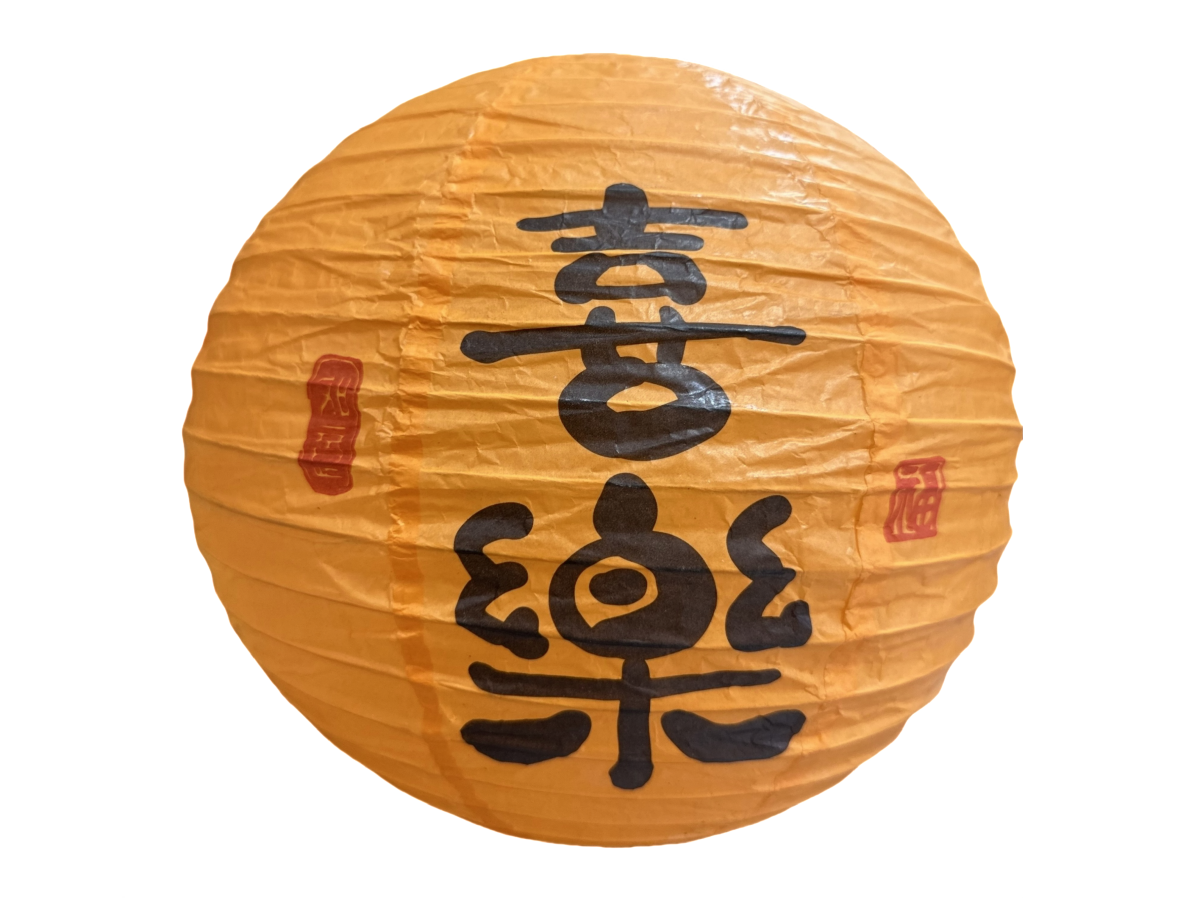
Festival-Laternen als nachgewiesene Treiber für Besucherzahlen und Gemeinschaftsbindung
Messung der Wirkung: Steigerung der Besucherzahlen und Verstärkung in den sozialen Medien bei den Laternenfestivals 2024–2025
Festival-Laternen sind zu einem Magneten für das Publikum geworden: Große Veranstaltungen in Nordamerika und Asien verzeichneten von 2024 bis 2025 Rekordbesucherzahlen. Eine 2024 durchgeführte Umfrage unter 30 Festivals ergab, dass jene, die großformatige illuminierte Installationen einsetzten, im Durchschnitt 28 % mehr Eintrittsbesucher verzeichneten als im Vorjahr (Event Industry Council, 2024). Diese Steigerung wird durch digitale Interaktion verstärkt: Während des chinesischen Neujahrsfests 2025 erzielten nutzergenerierte Inhalte mit Hashtags zum Laternenfest auf TikTok und Instagram über 2,1 Milliarden Impressionen – ein Anstieg um 47 % gegenüber 2024 (Social Media Insights Report, 2025). Die visuelle Eigenständigkeit leuchtender Skulpturen und interaktiver Lichtpfade macht sie von Natur aus teilbar und verwandelt Besucher in organische Markenbotschafter. Entscheidend ist zudem, dass Festivals mit programmierbaren LED-Laternen und Projection-Mapping eine um 19 % höhere Wiederbesuchsrate erreichten – ein Beleg dafür, dass durchdachte Lichtintegration langfristige Publikumstreue fördert.
Der ‚Shared Light‘-Effekt: Wie gemeinsame Beleuchtung Zugehörigkeit und lokale Identität fördert
Festival-Laternen gehen über bloße Spektakel hinaus – sie aktivieren ein psychologisches Phänomen, das als »Effekt des geteilten Lichts« bekannt ist. Wenn sich Tausende unter einem harmonisierten Farbdach versammeln, löst die synchronisierte Beleuchtung kollektive Erregung aus: Umweltpsychologische Studien verbinden derart einheitliche visuelle Erlebnisse mit messbaren Anstiegen von Oxytocin und wahrgenommener sozialer Verbundenheit – um bis zu 22 % (Journal of Community Psychology, 2024). Dadurch verwandelt sich öffentlicher Raum in eine emotionale Gemeinschaftsressource, die lokale Identität stärkt. In postindustriellen Städten werden jährliche Laternenumzüge dafür verantwortlich gemacht, den bürgerlichen Stolz wiederzubeleben; 68 % der Einwohner berichteten nach ihrer Teilnahme von einer stärkeren Bindung an ihre Heimatstadt (Placemaking Europe, 2025). Ob man handgefaltete Papierlaternen oder moderne LED-Kugeln erleuchtet – das Ritual lädt zur demokratischen Teilnahme ein: Persönliche Geschichten verschmelzen zu gemeinsamer Erinnerung. Im Gegensatz zu passiver Zuschauerrolle gestalten die Teilnehmenden gemeinsam die Atmosphäre und entwickeln dadurch ein Gefühl von Eigenverantwortung und Zugehörigkeit, das weit über die Veranstaltung hinaus andauert.
Intelligente Festivallaternen: KI-, AR- und holographische Innovation im Jahr 2026
Echtzeit-KI-Geschichtslaternen und personalisierte Lichterzählungen
Intelligente Festtagslaternen entwickeln sich von statischen Displays hin zu reaktiven, erzählorientierten Umgebungen. Auf dem Laternenkarneval der Guangdong-Hongkong-Macao-Großbuchtregion 2026 verwandelten KI-Algorithmen, Bewegungssensoren und interaktive Bodenbildschirme traditionelle Wege in Echtzeit-Erzählwelten. Während sich die Besucher bewegten, passten sich Farben, Muster und Projektionen der Laternen an – und erzeugten personalisierte Lichterzählungen, die zugleich intim und gemeinschaftlich wirkten. Laut Zhao Yijing vom China Tourism Academy verändert dieser Wandel „grundlegend, wie Besucher solche Veranstaltungen erleben“ und macht aus Zuschauern Mitgestalter. Marktanalysten prognostizieren, dass die KI-gesteuerte Inhaltsanpassung – insbesondere in Kombination mit 3D-Hologramm-Elementen – bis 2035 ein zentraler Wachstumstreiber für intelligente Displays sein wird (Future Market Insights, 2025). Das Ergebnis ist eine intensivere kognitive und emotionale Beteiligung: Jede Reise wird zu einer einzigartigen Erinnerung, was die kulturelle Resonanz sowie die organische soziale Weitergabe stärkt.
Holographische Projektion versus traditionelle Laternen: Ausgewogenheit zwischen Immersion, Zugänglichkeit und kognitiver Beteiligung
Holographische Projektion erweitert die Möglichkeiten des Geschichtenerzählens – schwebende Drachen, animierte Volksmärchen oder historische Rekonstruktionen – ohne die Wärme und Authentizität traditioneller Laternen zu ersetzen. Die zentrale Innovation liegt in der Integration: Bei den Festivals 2026 gelang es, Hologramme auf physische Laternenrahmen zu legen, wodurch die handwerkliche Integrität bewahrt und gleichzeitig immersive Tiefe vermittelt wurde. Kognitionsstudien bestätigen, dass Mixed-Reality-Umgebungen – in denen greifbare Objekte und digitale Überlagerungen nebeneinander existieren – Aufmerksamkeit und Erinnerungsleistung wirksamer steigern als rein bildschirmbasierte oder rein physische Erlebnisse. Dieser hybride Ansatz gewährleistet Zugänglichkeit und vermeidet den Eindruck technologischer Exklusivität, sodass eine breite öffentliche Beteiligung sichergestellt ist. Auf dem Festival der Greater Bay Area verarbeiteten die Gehirne diese geschichteten Szenen als einheitliche, sinnhafte Gesamtheiten – unter Würdigung des kulturellen Erbes und gleichzeitiger Generierung des „Wow“-Effekts, der Wiederbesuche und soziale Medien-Dynamik befeuert.
Partizipatives Design: Wie interaktive und rollenspielbasierte Erfahrungen das Engagement mit Festival-Laternen vertiefen
Live-RPG-Integration und Aktivierung der Generation Z: Erkenntnisse aus Chengdus »Lantern Dynasty«
Chengdus »Laternendynastie« hat die Teilnahme neu definiert, indem sie eine traditionelle Ausstellung in ein Live-Action-Rollenspiel (RPG) verwandelte. Mithilfe einer Begleit-App übernahmen Besucher Rollen – etwa als Laternenbewahrer oder mythische Wächter – und bewältigten narrative Quests, die durch bestimmte Installationen ausgelöst wurden. Jedes beleuchtete Artefakt wurde zu einem Story-Checkpoint, der Handwerkskunst mit digitaler Interaktivität verband. Dieses Modell traf stark den Nerv der Generation Z, die selbstgesteuerte Immersion priorisiert: Festivals mit RPG-Elementen verzeichneten im Vergleich zu statischen Ausstellungen eine 42-prozentige Steigerung der Verweildauer und einen 28-prozentigen Anstieg der Social-Media-Teilungen (Analyse der Veranstaltung 2025). Indem die Teilnehmer als Protagonisten – nicht als Beobachter – agierten, verstärkten die Organisatoren die emotionale Bindung und schufen nachhaltige, geschichtenträchtige Erinnerungen. Die Erkenntnis ist eindeutig: partizipatives Design ist nicht nur ansprechend – es ist entscheidend für Relevanz und Langzeiteffektivität ab 2026 und darüber hinaus.
Festival-Laternen als generationsübergreifende Anker: emotionale, kognitive und kulturelle Vorteile
Neuroästhetik des Machens: Warum die handwerkliche Herstellung von Laternen das Gedächtnis und familiäre Bindungen stärkt
Die handwerkliche Herstellung von Festlaternen aktiviert den Tastsinn, das Sehen und sogar den Geruchssinn – wodurch multisensorische Bahnen angeregt werden, die die neuronale Kodierung und die Bildung langfristiger Erinnerungen stärken. Wenn Großeltern Kinder beim Falten von Papier oder beim Mischen von Farbpigmenten anleiten, fördert der gemeinsame taktil-rhythmische Vorgang die Ausschüttung von Oxytocin und festigt so familiäre Bindungen. Neurowissenschaftliche Studien zur Ästhetik zeigen, dass solche wiederholten, körperlich verankerten künstlerischen Tätigkeiten den Cortisolspiegel senken und die Aktivität des Hippocampus steigern – jenes Gehirnareals, das für die Konsolidierung von Erinnerungen zuständig ist (Journal of Applied Neuroscience, 2023). Die fertige Laterne wird damit mehr als bloße Dekoration: Sie ist ein physisches Archiv gemeinsamer Gegenwart, wobei jede Faltung und jede Farbe emotionale Bedeutung trägt. Im Gegensatz zur passiven Rezeption digitaler Darstellungen verankert kollaboratives Gestalten kulturelle Identität in erlebter Erfahrung – nicht nur im Gedächtnis, sondern im Körper und im Gehirn. Diese Praxis fördert kognitive Widerstandsfähigkeit und generationsübergreifende Kontinuität und stellt sicher, dass Festtraditionen nicht lediglich bewahrt, sondern fortlaufend erneuert werden.
FAQ-Bereich
Was sind die wichtigsten Vorteile der Einbindung von Festivallaternen in Veranstaltungen?
Festivallaternen steigern die Besucherzahl, stärken die Gemeinschaftsbindung und schaffen teilbare Erlebnisse, die Veranstaltungen durch soziale Medien-Interaktionen organisch bewerben.
Wie tragen Festivallaternen zur Gemeinschaftsbildung bei?
Festivallaternen aktivieren den Effekt des ‚geteilten Lichts‘ und fördern dadurch kollektive Erregung sowie stärkere soziale Bindung, lokale Identität und bürgerlichen Stolz unter den Teilnehmenden.
Welche Innovationen werden bei intelligenten Festivallaternen eingeführt?
Intelligente Laternen integrieren KI-, AR- und holographische Technologien, um personalisierte und interaktive Erzählungen zu erzeugen, die das Engagement der Teilnehmenden vertiefen und die kulturelle Resonanz erhöhen.
Wie zieht partizipatives Design – beispielsweise die Einbindung von RPGs – jüngere Zielgruppen an?
Partizipative Konzepte wie Live-Action-Rollenspiele (RPGs) sprechen die Generation Z an, indem sie immersive, selbstbestimmte Erlebnisse bieten und damit sowohl die emotionale Beteiligung als auch das soziale Teilen erhöhen.
Welche kognitiven und emotionalen Vorteile bietet das manuelle Basteln von Laternen?
Das manuelle Basteln von Laternen stärkt die Gedächtniskodierung, familiäre Bindungen und kulturelle Identität durch multisensorische Einbindung und gemeinschaftliche Teilnahme und sichert so die langfristige Bewahrung der Tradition.
Inhaltsverzeichnis
- Festival-Laternen als nachgewiesene Treiber für Besucherzahlen und Gemeinschaftsbindung
- Intelligente Festivallaternen: KI-, AR- und holographische Innovation im Jahr 2026
- Partizipatives Design: Wie interaktive und rollenspielbasierte Erfahrungen das Engagement mit Festival-Laternen vertiefen
- Festival-Laternen als generationsübergreifende Anker: emotionale, kognitive und kulturelle Vorteile
-
FAQ-Bereich
- Was sind die wichtigsten Vorteile der Einbindung von Festivallaternen in Veranstaltungen?
- Wie tragen Festivallaternen zur Gemeinschaftsbildung bei?
- Welche Innovationen werden bei intelligenten Festivallaternen eingeführt?
- Wie zieht partizipatives Design – beispielsweise die Einbindung von RPGs – jüngere Zielgruppen an?
- Welche kognitiven und emotionalen Vorteile bietet das manuelle Basteln von Laternen?