 EN
EN

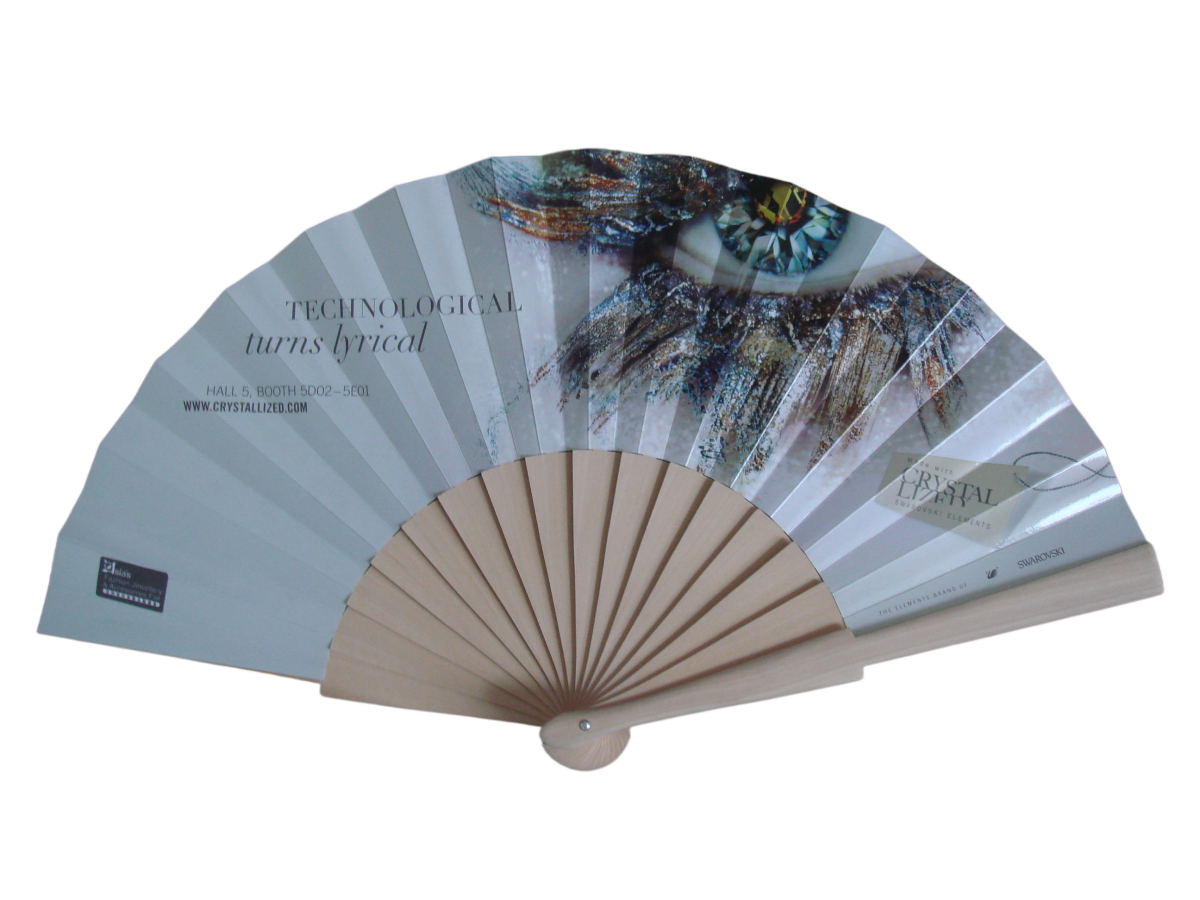
Why Reusable Fabric Fans Strengthen Long-Term Customer Engagement
Reusable fabric fans are durable, functional promotional items that sustain customer engagement far beyond a single event. Unlike disposable giveaways, a well-made fabric fan can remain in active use for months or years—each unfolding on a warm day rekindling brand recognition without added cost. This extended visibility delivers a significantly lower cost-per-impression over time, turning the fan into a pocket-sized, long-term advertising asset.
The emotional resonance is equally powerful. When a brand provides a practical item that genuinely improves comfort, it signals care and thoughtfulness—qualities customers associate with trust and loyalty. Fabric fans often become keepsakes, especially when designed with appealing visuals or meaningful messaging. Unlike fleeting digital ads, a physical fan can be displayed, shared, or passed along, sparking organic word-of-mouth referrals and amplifying reach at no extra marketing expense.
Interactive distribution deepens this connection. At trade shows, festivals, or community events, offering an immediate, tangible solution to heat draws visitors to a booth—and initiates a memorable, human-centered interaction. Because reusable fans withstand daily use, they serve as enduring reminders of that positive experience. In this way, they transform a moment of comfort into a sustained, reciprocal relationship between brand and customer.
How Reusable Fabric Fans Advance Authentic Sustainable Branding
Reusable fabric fans offer a credible, tactile expression of environmental responsibility—moving past greenwashing to demonstrate real commitment. As consumers increasingly demand proof behind sustainability claims, these fans provide visible, lasting evidence of a brand’s values. Made from renewable or recycled materials like bamboo, organic cotton, or responsibly sourced paper, each fan avoids the waste generated by single-use alternatives. A durable fabric fan functions as a long-term brand ambassador—displayed at home, carried to events, and used season after season—reinforcing messages of quality and stewardship far longer than disposable plastic versions, which often end up in landfills within days.
Material innovation supports this shift: bamboo, a fast-growing and biodegradable resource, now accounts for a significant share of the hand fan market, while certified organic cotton and FSC-approved paper are gaining adoption. By choosing reusable fabric fans, brands align with rising consumer expectations for ethically sourced, durable goods—signaling that ecological integrity matters more than short-term convenience. The act of giving a useful, eco-conscious item fosters deeper emotional connection; recipients perceive the brand as principled and attentive. In doing so, a simple cooling tool becomes a narrative of responsibility—one that builds authentic trust and loyalty no transactional campaign can replicate.
Design and Material Considerations for High-Performance Reusable Fabric Fans
Durability, Washability, and Print Retention in Fabric Selection
Longevity hinges on fabric performance under real-world conditions—repeated use, machine washing, and outdoor exposure. Polyester remains a top choice for its high tensile strength, colorfastness, and quick-drying properties, ensuring fans retain shape and vibrant branding across dozens of wash cycles. Nylon offers superior abrasion resistance, ideal for fans distributed at rugged outdoor events. For crisp, lasting print quality, fabrics with a tight, smooth weave minimize ink bleeding and cracking—especially critical for small logos or fine typography. A light water-repellent finish protects graphics without sacrificing breathability. To verify resilience, prioritize fabrics tested to ISO 105-B02 standards for colorfastness to light and perspiration. Reinforced construction—including double-stitched edges and stress-point reinforcement—prevents fraying, while inherent UV resistance helps preserve color integrity during prolonged sun exposure.
Ergonomic Form and Functional Usability Across Demographics
A high-performance fan must serve everyone: children, seniors, and users with varying dexterity or grip strength. Lightweight handles made from bamboo or food-grade plastic—with contoured, non-slip grips—reduce hand fatigue and enhance control, especially in humid conditions. Weight should stay under 40 grams to prevent strain, and balanced blade-to-handle distribution ensures stability without tipping. The folding mechanism must operate smoothly and safely—no pinching, no rattling—to reinforce perceptions of quality and reliability. For inclusivity, opening force and fan size should accommodate smaller hands, while gentle curvature optimizes airflow without compromising portability. Real-world user testing across age groups and abilities is essential to refine handle thickness, blade flexibility, and overall ergonomics—ensuring the fan feels intuitive, comfortable, and genuinely useful.
Integrating Reusable Fabric Fans into Omnichannel Engagement Campaigns
Reusable fabric fans bridge physical and digital experiences with purpose—not just as branded objects, but as interactive touchpoints in a unified omnichannel strategy. Their durability makes them ideal for high-visibility settings: outdoor festivals, sports venues, retail environments—anywhere sustained brand presence matters. By embedding a unique QR code or NFC tag directly into the fan’s design, marketers convert passive receipt into active engagement: a scan at a summer festival can unlock exclusive content, a limited-time discount, or entry into a social media contest—all delivered via a mobile-optimized landing page.
This integration captures rich behavioral data—scan time, location, device type—that flows into a customer data platform (CDP), enabling personalized follow-ups via email, SMS, or app notifications. According to Salesforce’s 2023 State of the Connected Customer report, 73% of consumers expect consistent, seamless interactions across channels—and a fan carrying the same visual language, tone, and value proposition as a brand’s website or social feed strengthens that coherence. Crucially, the fan’s sustainable credentials amplify emotional resonance: when recipients recognize its eco-conscious design and utility, they’re more likely to engage deeply and share authentically. Because it’s genuinely useful—providing real relief on a hot day—the fan travels with the user, extending brand visibility into homes, offices, and commutes. In this way, it acts as a physical anchor in an omnichannel ecosystem—driving cross-channel traffic, reinforcing recall, and delivering measurable engagement—without the environmental cost of disposable alternatives.
FAQ
What are reusable fabric fans made of?
Reusable fabric fans are typically made from durable materials like bamboo, organic cotton, nylon, polyester, or FSC-approved paper, ensuring long-term usability and environmental sustainability.
How do reusable fabric fans help with branding?
Reusable fabric fans sustain long-term customer engagement by providing practical value and extended brand visibility, while emotionally connecting with recipients through thoughtful design and eco-consciousness.
What factors ensure durability in these fans?
Durability depends on factors like high-quality fabric, reinforced construction, UV resistance, washability, and stringent testing standards such as ISO colorfastness tests.
How can reusable fabric fans integrate into marketing campaigns?
By embedding QR codes or NFC tags, reusable fans can link physical presence with digital engagement, providing exclusive content, discounts, or contests while gathering valuable customer data.
Are reusable fabric fans suitable for all demographics?
Yes, reusable fabric fans are designed with ergonomic features such as lightweight handles, contoured grips, and inclusive usability for all age groups and abilities.