 EN
EN

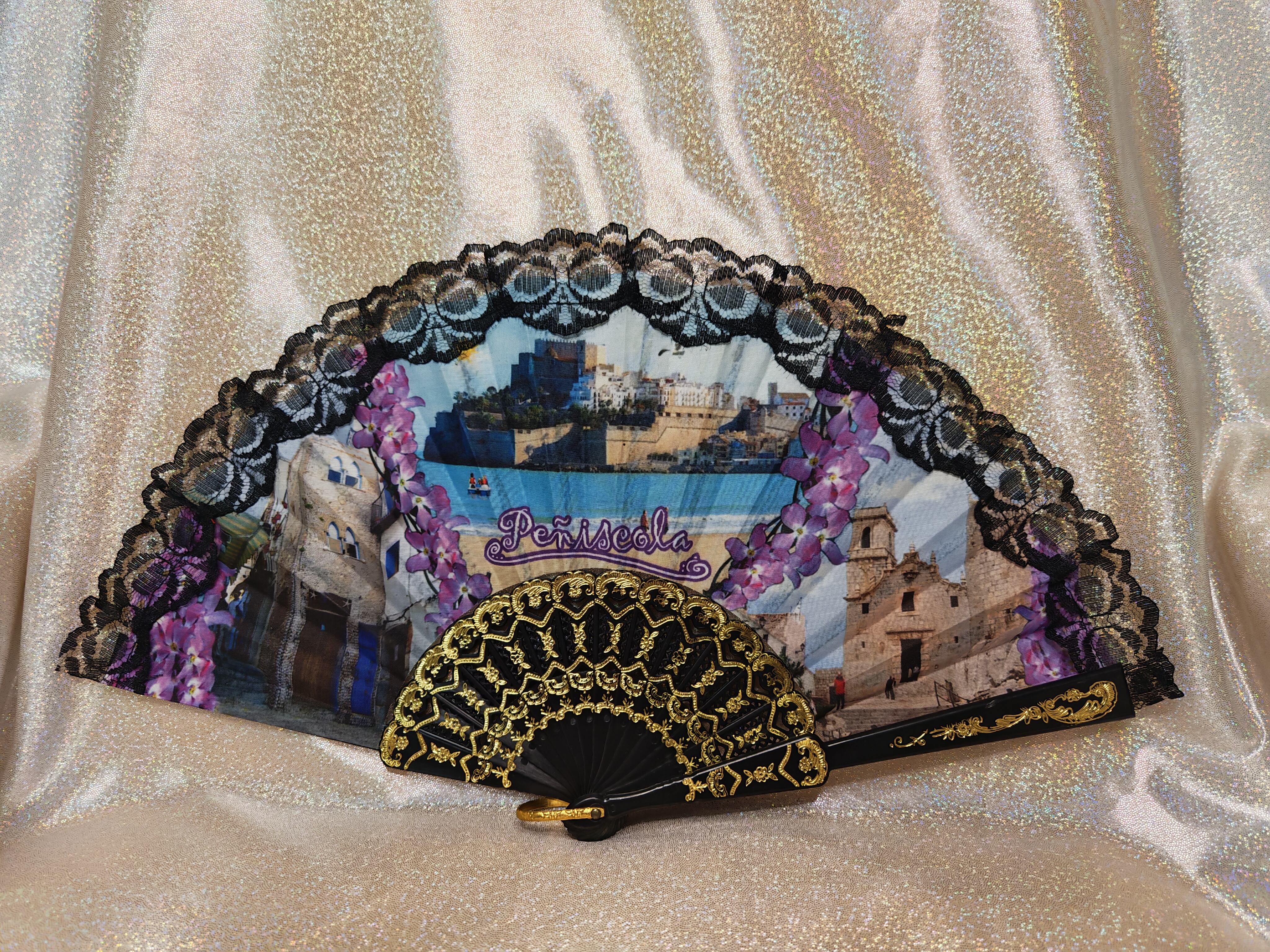
التأثير الجوي للمراوح اليدوية العروسية المزينة بالدانتيل
مراوح يدوية عروسية مزينة بالدانتيل تتجاوز هذه المراوح كونها مجرد إكسسوارات، لتتمتّع بقوة جوّية مميّزة خلال مراسم الزفاف والاحتفالات المرتبطة به. فتصنع يدُ الحرفيين بدقةٍ بالغةٍ وأنماطها المعقدة ترفع على الفور من مستوى التطور البصري—مكمّلةً زيّ العروس وديكور مكان الاحتفال دون أن تتنافس معهما على اجتذاب الانتباه. وبعيدًا عن الجانب الجمالي، فإنها تؤدي دور الموصلات الطقسية الدقيقة: إذ يمكن أن يعبّر انفتاحها اللطيف عن لحظة أداء القسم أو يشير إلى انتقالٍ ما، خالقًا لحظات صمتٍ متعمَّدةٍ وهادئةٍ تعزّز التأثير العاطفي العميق. وهذه الإيقاعية غير اللفظية تدعو الضيوف للانخراط في الطقس لا كمشاهدين فقط، بل كمشاركين حاضرين ومترسّخين في اللحظة. كما أن الفعل الحسي المتمثل في حمل المروحة واستخدامها يُثبّت انتباه الحاضرين في اللحظة الراهنة، مُقاومًا التشويش، وفي الوقت نفسه يدعم الراحة الجسدية في الأجواء الحارة أو الأماكن المزدحمة. ومن الجذور التاريخية لهذه المراوح في تقاليد الأناقة والرقي—من محافل القرن الثامن عشر الأوروبية إلى آداب السلوك في العصر الفيكتوري—يُثري وجودها النسيج الثقافي لحفل الزفاف بسلطة هادئة، لا تطالب أبدًا بالانتباه، لكنها تشكّل الجو العام باستمرار.
الحرفية والرمزية: هونيتون وبروكسل والهوية الحديثة للعروس
تُرجع أرقى مراوح الزفاف اليدوية المزينة بالدانتيل أصولها إلى تقليدين أوروبيين أيقونيين في صناعة الدانتيل: دانتيل «هونيتون» من مقاطعة ديفون في إنجلترا، ودانتيل «بروكسل» من بلجيكا، وكلٌّ منهما يحمل وزنًا رمزيًّا مميزًا وإتقانًا فنيًّا خاصًّا. ويستخدم دانتيل هونيتون إبرة دقيقة لتشكيل زخارف نباتية بارزة، وهي زخارف ارتبطت منذ زمنٍ بعيد بالخصوبة والتجدد والنمو العضوي. أما دانتيل بروكسل فيعتمد، على النقيض من ذلك، على عمل دقيق باستخدام البوبين (البكرات) لإنتاج أنماط هواءٍ هندسية تعبّر عن الأبدية والتوازن والوحدة الدائمة. أما عرائس اليوم فلا تكتفي باختيار نمطٍ معين، بل تعبّر من خلاله عن هويتها. فالاختيار دانتيل هونيتون يدلّ على تفضيل الأناقة الريفية، والتفاصيل الطبيعية، والدفء القصصي؛ بينما يعكس اختيار دانتيل بروكسل ميلًا نحو التحسين المعماري، والخلود، والبهاء الخفي. فعلى سبيل المثال، فإن مروحة محزَّزة بدانتيل بروكسل «بوينت دو غاز» تعبّر بهمسٍ عن احترام العروس للحرفة التراثية العريقة، في حين تتحدث الزهور المجسَّدة ثلاثية الأبعاد في دانتيل هونيتون عن حبِّ الملمس والسرد القصصي. وهذه المراوح ليست مجرد أدوات تُستعمل لمرة واحدة، بل هي قطعٌ ترقى لمستوى القطع التراثية التي تُورَّث: جسورٌ تربط بين المهارة المتوارثة عبر الأجيال والتعبير الذاتي المعاصر.
التكامل الوظيفي: الراحة الحرارية، الإيقاع الاحتفالي، ومشاركة الضيوف
المراوح اليدوية المزينة بالدانتيل للعروس تُقدِّم قيمة وظيفية ملموسة — تتجاوز بكثير مجرد الزخرفة. فهي توفر تنظيمًا حراريًّا غير لافتٍ لكنه فعّال، وهو أمرٌ بالغ الأهمية خصوصًا في حفلات الزفاف الصيفية الخارجية التي غالبًا ما تتجاوز درجات الحرارة المحيطة فيها ٨٠°ف (٢٧°م)، وفقًا لبيانات مناخية صادرة عن إدارة المحيطات والغلاف الجوي الوطنية (NOAA). ويؤدي هذا الراحة العملية إلى تقليل الحركة المتكررة والتعب، ما يساعد العروسين والضيوف على البقاء متاحين عاطفيًّا طوال مراسم الزفاف. ومن المهم بنفس القدر دورها في تشكيل تدفق المراسم: فالحركة المُتعمَّدة لفتح المروحة أو خفضها تُشكِّل إشارة أنيقة وصامتة — تُحدِّد التحولات بين لحظات الدخول الطقسي، وتبادل القسم، أو فترات الانسحاب الطقسية. وعند توزيعها كهدايا تذكارية للضيوف، تصبح أدوات مشاركة نشطة — تُستخدَم في الطقوس الثقافية مثل حفل شاي الصين التقليدي، أو كقطع أنيقة في الصور الجماعية. كما أن همسة المروحة الناعمة تضيف بعدًا سمعيًّا دقيقًا إلى الفترات الهادئة، بينما يحفِّز الدانتيل المعقد اللمس والفحص الدقيق، محوِّلًا المشاهدة السلبية إلى تفاعلٍ حسِّيٍّ متعدد. وهذه التكاملية بين الفائدة الوظيفية، والرمزية، والتفاعل تجعل منها عنصرًا لا غنى عنه في حفلات الزفاف المصمَّمة بوعيٍّ تامٍّ وبمراعاة مركزية الضيوف.
التنسيق الاستراتيجي والمشتريات للمخططين والأزواج
الانسجام مع الاتجاهات: التصميم «الموجَّه أولًا نحو المعجبين» — كيف تُحقِّق المراوح اليدوية الحريرية للعروس التناسق في الألوان والقوام والزخارف
يتبني عددٌ متزايد من مخططي الحفلات والأزواج فلسفةً تصميميةً تُركِّز أولًا على المروحة — حيث تُستخدم المروحة اليدوية المصنوعة من الدانتيل bridal lace كمرجعٍ جمالي أساسيٍّ للحفل بأكمله. وبدلًا من اعتبارها لمسةً نهائيةً تكميليةً، يبدأون بالنمط السائد للدانتيل في المروحة، واللون الأساسي (مثل العاجي أو البيج الفاتح أو الوردي الناعم)، والتفاصيل الملمسية (مثل التطريز اللؤلؤي أو المقابض الملفوفة بالحرير) لتوجيه جميع القرارات الأخرى: خضرة باقة الزهور، ونوع الخط المستخدم في الدعوات، ونسيج أقمشة طاولات الطعام، بل وحتى زخارف التزيين على الكعكة. ويؤدي هذا النهج إلى القضاء على التخمين العشوائي، ويكفل التماسك البصري عبر جميع نقاط الاتصال. فعلى سبيل المثال، فإن مروحةً تتضمَّن دانتيل شانتيلي عاجيًّا ذا حواف متموَّجة رقيقة وحواف سلكية بلون الذهب غير اللامع تُرشد تلقائيًّا نحو لوحة ألوان تتألف من درجات محايدة ناعمة، ومعادن مطفأة، وأقمشة قماشية عضوية — ما يخلق الانسجام دون التكرار. وكما ورد في تقرير اتجاهات التصميم لعام ٢٠٢٣ الصادر عن رابطة مخططي حفلات الزفاف، فإن الفعاليات التي تُبنى حول إكسسوارٍ واحدٍ عالي الجودة مثل المروحة المصنوعة من الدانتيل تسجِّل انخفاضًا بنسبة ٤٢٪ في التعديلات الجمالية الأخيرة، وتتميَّز بتناغمٍ أقوى في الهوية البصرية بين مختلف المورِّدين المشاركين.
أساسيات التوريد: التحقق من الأصالة، والسلامة الهيكلية، والإنتاج القابل للتوسع لـ 50 ضيفًا فأكثر
إن عملية الشراء لمجموعات تضم ٥٠ قطعة أو أكثر تتطلب فحصًا دقيقًا وصارمًا — ليس من حيث الجمال فقط، بل أيضًا من حيث الاتساق والمتانة والأصل الموثوق. أولاً، تأكَّد من الأصالة: فالدانتيل الحقيقي على طراز هونيتون أو بروكسل يتميَّز بكثافة شبكة دقيقة، وتوتر متساوٍ في الخيوط، ووضوحٍ في الزخارف — وهي صفات يمكن تقييمها بسهولة عبر طلب صور ماكرو عالية الدقة لأرضية الدانتيل وللحواف المُزخرفة (البيكوت). وتجنَّب المورِّدين الذين لا يستطيعون التمييز بين المحاكاة المصنوعة آليًّا وبين الدانتيل الأصلي المصنوع يدويًّا باستخدام تقنية البوبين أو الإبرة. ثانيًا، اختبر سلامة البنية: يجب أن تفتح المفاصل بسلاسة وأن تُقفل بإحكام عند امتدادها بالكامل؛ كما يجب أن تكون المقابض مدعَّمة (مثلًا بقلب نحاسي أو خشبي صلب) لمنع الانحناء تحت وزن الدانتيل. ثالثًا، تأكَّد من قدرة المصنع على التوسُّع في الإنتاج — إذ تقدِّم شركات تصنيع مرموقة مثل «ليس آند ليف أتييه» و«بروكسل لييس ووركس» إمكانية التحقق من عيِّنات الدفعات، مع أوقات تسليم تبلغ أربعة أسابيع للطلبات التي تشمل ١٠٠ وحدة فأكثر، مما يضمن جودة موحدة في جميع الهدايا المقدَّمة للضيوف. ولا يجوز التنازل عن أخذ عيِّنات مبكرة من التشغيل الفعلي للإنتاج — وليس فقط من النموذج الأولي — وذلك للحفاظ على الرؤية الأصلية للزوجين عند التوسُّع في الإنتاج.
الأسئلة الشائعة
لماذا تُعتبر المراوح اليدوية المزينة بالدانتيل للعروس ذات أهمية كبيرة في حفلات الزفاف؟
توفر المراوح اليدوية العروسية المزينة بالدانتيل جمالاً بصرياً أنيقاً وفائدة عملية في آنٍ معاً، إذ تضيف لمسة من الرقي إلى ديكور حفل الزفاف، كما تساعد في تنظيم الإيقاع الطقسي وراحة الضيوف.
ما الفروق بين دانتيل هونيتون ودانتيل بروكسل؟
يركّز دانتيل هونيتون على الزخارف النباتية المصنوعة بالإبرة، والتي ترمز إلى الخصوبة والنمو، بينما يتميّز دانتيل بروكسل بأنماطه الهندسية التي تُصنع باستخدام تقنية البوبين (الغزل اليدوي)، وترمز إلى الأبدية والوحدة.
ما الأغراض العملية التي تؤديها هذه المراوح خلال حفلات الزفاف؟
توفر الراحة الحرارية، وتشير إلى التحولات الطقسية عبر حركات أنيقة، وتُستخدم كأدوات تفاعلية أثناء الطقوس أو التقاط الصور الجماعية.
كيف يمكن للمخططين أو للأزواج إدماج المراوح العروسية المزينة بالدانتيل في الجماليات العامة لحفل الزفاف؟
من خلال اعتماد نهج تصميمي يركّز على المروحة أولاً، يمكن للمخططين الاستعانة بأنماط الدانتيل المستخدمة في المروحة، وألوانها، وقوامها لتوجيه القرارات الجمالية الأوسع، مما يضمن الانسجام والاتساق.
ما الأشياء التي يجب أخذها في الاعتبار عند توريد مراوح يدوية من الدانتيل للعروس لمجموعات كبيرة؟
تحقق من الأصالة، وجرّب متانة التصميم الهيكلي، وتأكد من قدرة المورد على الإنتاج القابل للتوسّع للحفاظ على الجودة عبر الطلبات الأكبر.
جدول المحتويات
- التأثير الجوي للمراوح اليدوية العروسية المزينة بالدانتيل
- الحرفية والرمزية: هونيتون وبروكسل والهوية الحديثة للعروس
- التكامل الوظيفي: الراحة الحرارية، الإيقاع الاحتفالي، ومشاركة الضيوف
- التنسيق الاستراتيجي والمشتريات للمخططين والأزواج
-
الأسئلة الشائعة
- لماذا تُعتبر المراوح اليدوية المزينة بالدانتيل للعروس ذات أهمية كبيرة في حفلات الزفاف؟
- ما الفروق بين دانتيل هونيتون ودانتيل بروكسل؟
- ما الأغراض العملية التي تؤديها هذه المراوح خلال حفلات الزفاف؟
- كيف يمكن للمخططين أو للأزواج إدماج المراوح العروسية المزينة بالدانتيل في الجماليات العامة لحفل الزفاف؟
- ما الأشياء التي يجب أخذها في الاعتبار عند توريد مراوح يدوية من الدانتيل للعروس لمجموعات كبيرة؟