 EN
EN
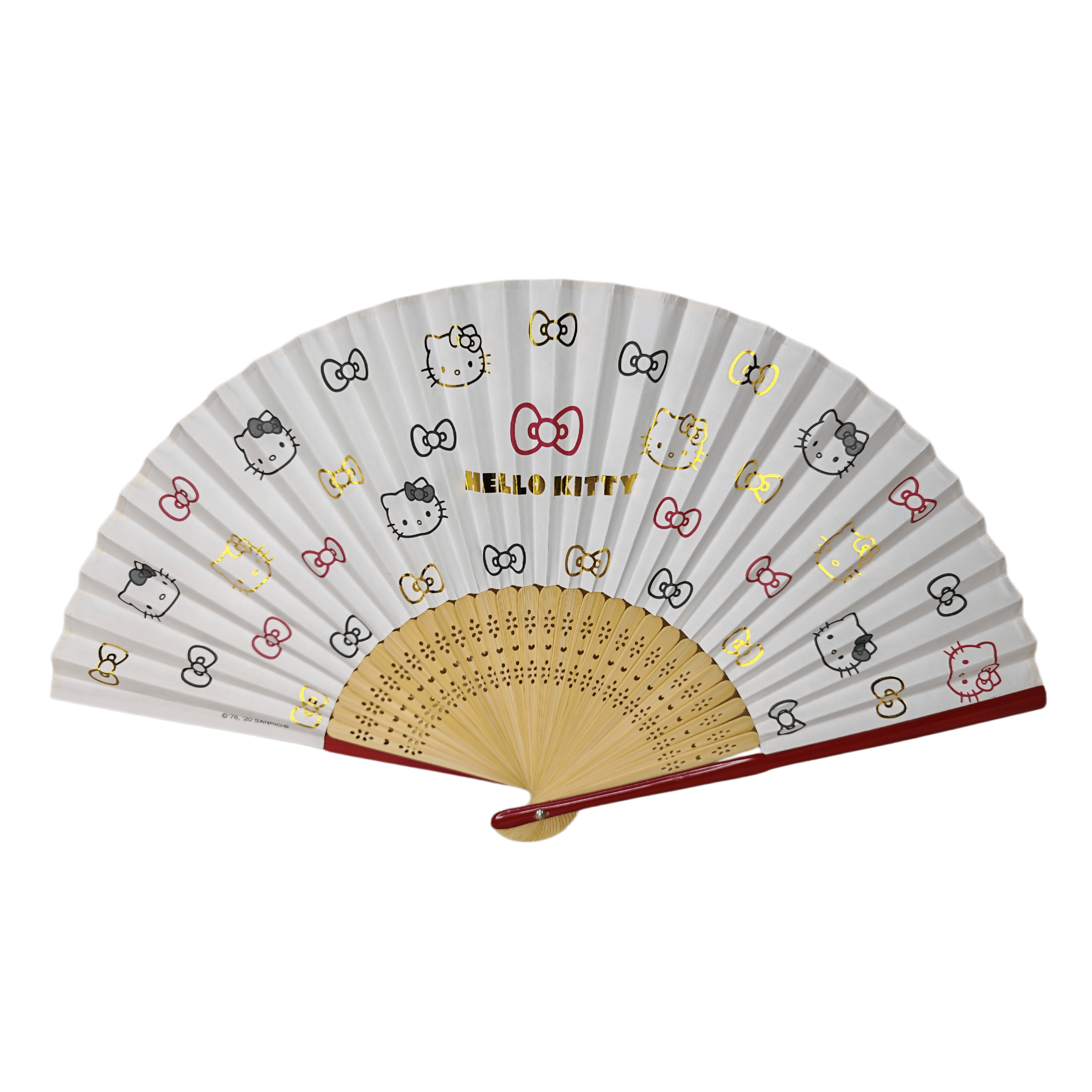
لماذا تتفوق المراوح اليدوية الخشبية المصنوعة من الخيزران في تخصيص العلامات التجارية
الاستدامة والإدراك الراقي يُسهمان في توافق العلامة التجارية
العلامات التجارية التي تبحث عن عناصر ترويجية صديقة للبيئة تختار بشكل متزايد مراوح يد خشبية مصنوعة من الخيزران —مُقدَّرٌ لتجدُّده السريع، وتأثيره البيئي الضئيل، وانسجامه القوي مع قيم المستهلكين الواعين. فنبات الخيزران ينمو بسرعة تصل إلى 20 ضعف سرعة أشجار الخشب الصلب، ولا يتطلب استخدام المبيدات، ويُخزِّن كمية أكبر من الكربون لكل هيكتار مقارنةً بالعديد من أنواع الأشجار — وهذه الصفات تعزِّز المصداقية والمسؤولية. وعند تخصيص هذه المراوح، فإنها تتحوَّل من هدايا وظيفية بسيطة إلى بيانات تعبيرية متعمَّدة عن العلامة التجارية. وكما يؤكد تقرير «فوتيرا» العالمي للاستدامة لعام 2023، يفضِّل 78% من المستهلكين الشراء من الشركات التي تتحمَّل مسؤوليتها البيئية. وباختيارك الخيزران الطبيعي بدلًا من البلاستيك أو البدائل الاصطناعية، فإن علامتك التجارية تُرسل إشارةً واضحةً عن مصادرها المدروسة وقيمها المشتركة — ما يرفع من التصور العام للجودة، ويزيد احتمال احتفاظ المتلقِّين بهذه القطعة واستخدامها مرارًا وتكرارًا.
ملاءمة المادة: نسيج السطح، واتساق الحبوب، والتصاق الحبر في المراوح اليدوية الخشبية المصنوعة من الخيزران
الحبوب الدقيقة والمنتظمة في الخيزران، وسطوحه ذات الملمس الخفيف تُشكّل سطحًا مثاليًا لطباعة الشعارات. وتدعم هيكله الليفي الطبيعي التصاق الحبر بشكلٍ موثوقٍ عند استخدام طباعة الشاشة أو الطباعة بالأشعة فوق البنفسجية، مما يقلل من مخاطر تكون الفقاعات أو التقشّر أثناء التعامل العادي. ومع ذلك، فإن الاختلافات الطفيفة في نسيج الحبوب تتطلب تحديد مواقع الاستخدام الاستراتيجية للحصول على أفضل النتائج: لذا يُنصح بتجنب العقد البارزة أو الخطوط الممتدة في المناطق المخصصة للطباعة عالية التفصيل للحفاظ على وضوح الشعار. أما ألواح الخيزران المعالجة حراريًّا فتوفر أسطحًا أكثر نعومة، وهي مناسبة خصوصًا للنقش بالليزر، الذي يُنتج علامات واضحة وجديدة وعالية التباين، مقاومة للبهتان والتآكل الميكانيكي. وللتأكد من الجودة، يُرجى طلب عينة ما قبل الإنتاج للتحقق من أداء الحبر على درجة الخيزران المحددة التي تستخدمونها، مما يضمن وضوح الحبر، ودقة اللمس، وانطباعًا فاخرًا يدوي الصنع لا يمكن لأي منتج بلاستيكي جماعي أن يُحاكيه.
طرق تطبيق الشعارات على المراوح اليدوية الخشبية المصنوعة من الخيزران: المزايا والمعايرة بين الجودة والمتانة والجماليات
مقارنة بين طباعة الشاشة والنقش بالليزر والختم بالرقائق المعدنية
يُقدِّم كل أسلوب من أساليب طباعة الشعارات مزايا مميَّزة — وتنازلاتٍ أيضًا — للمراوح اليدوية الخشبية المصنوعة من الخيزران:
- طباعة سيلك يُطبَّق حبرٌ زاهٍ غير شفاف مباشرةً على السطح، ما يجعله اقتصادي التكلفة للطلبات الكبيرة الحجم. وعلى الرغم من أن وفاء الألوان ممتازٌ، فقد تظهر علامات البلى على الحواف في المناطق عالية التلامس مع الاستخدام الطويل.
- نقش بالليزر يحترق التصميم بشكل دائم في مادة الخيزران، ما يُنتج علامة ذات نسيج ملموس لا تتلاشى، وهي مثالية للشعارات المعقدة والمتانة الطويلة الأمد. ويتفوق هذا الأسلوب على الألواح المعالَجة حراريًّا، ويقضي تمامًا على المخاوف المتعلقة بلزوجة الحبر أو تلاشي الألوان.
- ختم الفويل يستخدم الحرارة والضغط لربط رقائق معدنية أو ملونة بالسطح، ما يوفِّر تباينًا جريئًا وجاذبية فاخرة — لكنه يتطلب تحكُّمًا دقيقًا في درجة الحرارة لمنع احتراق المادة الطبيعية.
يعتمد اختيار الأسلوب المناسب على أولوياتك: التأثير البصري (الرقائق)، المتانة طويلة الأمد (الليزر)، أو التوسُّع الاقتصادي (الطباعة الشبكية).
إرشادات الطباعة الأساسية: الحد الأدنى لحجم النص، وقواعد التباين، وتجنُّب خطوط الطي، ودمج رموز الاستجابة السريعة (QR Code)
لضمان الوضوح والمتانة والوظيفية عبر جميع الطرق:
- الاستخدام أصغر أحجام النصوص 6 نقاط للخطوط غير المزينة (Sans-serif) و8 نقاط للخطوط المزينة (Serif) لمنع التموّه أثناء الإنتاج.
- أولوية التوافقات عالية التباين : الحبر الداكن أو النقش العميق على خلفية اللون البني الفاتح الطبيعي للخيزران يحسّن قابلية القراءة إلى أقصى حد.
- احرص على أن تكون الرسومات بعيدة عن خطوط الطي حيث قد يؤدي الانثناء المتكرر إلى تدهور سلامة الحبر أو ظهور شقوق.
- لـ رموز QR ، وخصّص مساحة مسطحة وغير منقوشة بحجم لا يقل عن 1.5 × 1.5 بوصة، وتحقّق من موثوقية المسح الضوئي في مختلف ظروف الإضاءة — بما في ذلك الظل وأشعة الشمس المباشرة — قبل الموافقة النهائية.
تحمي هذه الإرشادات كلًّا من التناسق الجمالي والاستخدام العملي في العالم الحقيقي.
عملية التصنيع الأصلية (OEM) للمراوح اليدوية الخشبية المصنوعة من الخيزران: من تقديم التصاميم إلى الشحن
الخطوات التفصيلية: اعتماد التصميم، والعينات الفيزيائية، والكميات الدنيا للطلب (MOQs)، وفترات التسليم، وخيارات التغليف
تتم عملية التخصيص وفقًا لعملية تصنيع أصلية (OEM) مُبسَّطة صُمِّمت بدقة وقابلية تنبؤ عالية:
- تقديم التصاميم : يقدّم العملاء ملفات متجهة (AI، EPS) أو صور PNG عالية الدقة (300 بكسل/البوصة فما فوق).
- المراجعة الفنية : يقوم فريق التصميم في المصنع بالتحقق من جدوى التصميم—من حيث حجم النصوص، والتباين، واتجاه خشب الخيزران، ومسافة الخطوط المخصصة للطي.
- الاختبار الفيزيائي : يتم إنتاج عينة أولية (Strike-off) للتأكد من لون الخيزران، واتجاه الحبوب، وموضع الشعار، وجودة التشطيب. وتُعد هذه الخطوة حاسمةً للتحقق من النتائج اللمسية والبصرية قبل الإنتاج الضخم.
- معايير الطلب تبدأ الكميات الدنيا للطلب (MOQs) من ٢٠٠ وحدة؛ وعادةً ما تتطلب طباعة الشاشة ٣٠٠–٥٠٠ وحدة لتعويض تكاليف الإعداد.
- الجدول الزمني للإنتاج متوسط مدة التسليم هو ٢٥–٤٥ يوم عمل: ٧–١٠ أيام لاعتماد العينة، يليها ٢٠–٣٠ يومًا للإنتاج الكامل.
- التغليف تشمل الخيارات أكياس البولي إيثيلين القابلة لإعادة التدوير، أو ظروف الكرافت المطبوعة باسم علامتك التجارية، أو علب الهدايا المخصصة— وكلها قابلة للطباعة بشعارك.
يشمل كل مرحلة فحوصات جودة أثناء التنفيذ لضمان التجانس، واتساق الحبيبات، ودقة الطباعة عبر الطلب بأكمله.
تعظيم العائد على الاستثمار (ROI): حالات الاستخدام، والجمهور المستهدف، والأثر القابل للقياس للمراوح اليدوية الخشبية المصنوعة من الخيزران والمُوسومة بعلامتك التجارية
المراوح اليدوية الخشبية المصنوعة من الخيزران والمُسوَّقة تحت علامة تجارية تُقدِّم قيمة تسويقية قابلة للقياس عبر مختلف نقاط التفاعل: الهدايا الترويجية في المعارض التجارية، وبرامج الهدايا المؤسسية، وحقائب الترحيب الفاخرة في الفنادق، وتذكارات الفعاليات الخارجية—من مهرجانات الموسيقى إلى حفلات الزفاف في الوجهات السياحية. وهي تلقى صدىً قوياً لدى المستهلكين الواعين بيئياً، والعلامات التجارية المتخصصة في مجالات العافية ونمط الحياة، والموزعين الفاخرين، والشركات التي تستهدف الأسواق الآسيوية—حيث تحظى المراوح اليدوية بأهمية ثقافية راسخة.
إن فائدتها الملموسة تضمن ظهوراً مستمراً للعلامة التجارية: وتُظهر بيانات القطاع أن المنتجات الترويجية تحقق معدلات تذكُّر للعلامة التجارية تتجاوز ٨٥٪ بعد أشهر من توزيعها. وبفترة احتفاظ نموذجية تتراوح بين ١٢ و١٨ شهراً لكل وحدة، فإنها تتفوق على البدائل ذات الاستخدام الواحد من حيث الرؤية على المدى الطويل والكفاءة التكلفة. ويتم قياس العائد على الاستثمار (ROI) استناداً إلى مؤشريْن رئيسييْن:
- تكلفة الانطباع الواحد (CPI) —والتي تكون في كثير من الأحيان أقل من ٠٫٠٥ دولار أمريكي للعناصر عالية الاستخدام مثل المراوح—و
- الارتقاء بالعلامة التجارية ، وتُتَابَع من خلال استبيانات ما بعد التوزيع أو الارتفاعات المفاجئة في المشاركة الرقمية (مثل زيادة بنسبة ٢٠–٣٠٪ في جذب العملاء المحتملين عند دمجها مع رموز الاستجابة السريعة QR المرتبطة بدعوات صريحة للعمل).
ويُعزِّز مصداقية الاستدامة من قوة التسعير أكثر فأكثر— مما يمكِّن من وضع علامة تجارية فاخرة ويعزِّز قيمة العميل مدى الحياة، لا سيما في الشراكات الفاخرة أو تلك التي تستند إلى القيم.
الأسئلة الشائعة: مراوح يدوية خشبية مصنوعة من الخيزران للتخصيص العلامي
١. لماذا تُعتبر المراوح اليدوية الخشبية المصنوعة من الخيزران صديقة للبيئة؟
ينمو الخيزران بسرعة كبيرة دون الحاجة إلى مبيدات حشرية، ويحتاج إلى موارد ضئيلة، ويمتص ثاني أكسيد الكربون بنسبة أكبر من العديد من أنواع الأشجار، ما يجعله مادة مستدامة.
٢. ما طرق تطبيق الشعار الأنسب على المراوح اليدوية الخشبية المصنوعة من الخيزران؟
تُعد الطباعة الحريرية والنقش بالليزر والختم بالرقائق المعدنية خيارات شائعة. ولكل طريقة مزاياها الخاصة اعتمادًا على أولوياتك، مثل المتانة أو التأثير البصري أو الميزانية.
٣. هل يمكن للخيزران تحمل النقش التفصيلي؟
نعم، وبخاصة الخيزران المعالج حراريًّا، الذي يوفِّر سطحًا أملسًا يسمح بتنفيذ نقش ليزري دقيق عالي التباين.
٤. ما هي الكميات الدنيا للطلب (MOQs) للمراوح المخصصة؟
تبدأ الكميات الدنيا للطلب عادةً من ٢٠٠ وحدة، مع الحاجة إلى كميات أكبر لعمليات مثل الطباعة بالشاشة (من ٣٠٠ إلى ٥٠٠ وحدة).
٥. ما مدى متانة المراوح اليدوية الخشبية المصنوعة من الخيزران والمزودة بشعارات مخصصة؟
وباستخدام طرق تطبيق مناسبة مثل النقش بالليزر أو الطباعة عالية الجودة، تبقى الشعارات واضحة ومتينة طوال عمر المنتج.
جدول المحتويات
-
لماذا تتفوق المراوح اليدوية الخشبية المصنوعة من الخيزران في تخصيص العلامات التجارية
- الاستدامة والإدراك الراقي يُسهمان في توافق العلامة التجارية
- ملاءمة المادة: نسيج السطح، واتساق الحبوب، والتصاق الحبر في المراوح اليدوية الخشبية المصنوعة من الخيزران
- طرق تطبيق الشعارات على المراوح اليدوية الخشبية المصنوعة من الخيزران: المزايا والمعايرة بين الجودة والمتانة والجماليات
- عملية التصنيع الأصلية (OEM) للمراوح اليدوية الخشبية المصنوعة من الخيزران: من تقديم التصاميم إلى الشحن
- تعظيم العائد على الاستثمار (ROI): حالات الاستخدام، والجمهور المستهدف، والأثر القابل للقياس للمراوح اليدوية الخشبية المصنوعة من الخيزران والمُوسومة بعلامتك التجارية
- الأسئلة الشائعة: مراوح يدوية خشبية مصنوعة من الخيزران للتخصيص العلامي