 EN
EN

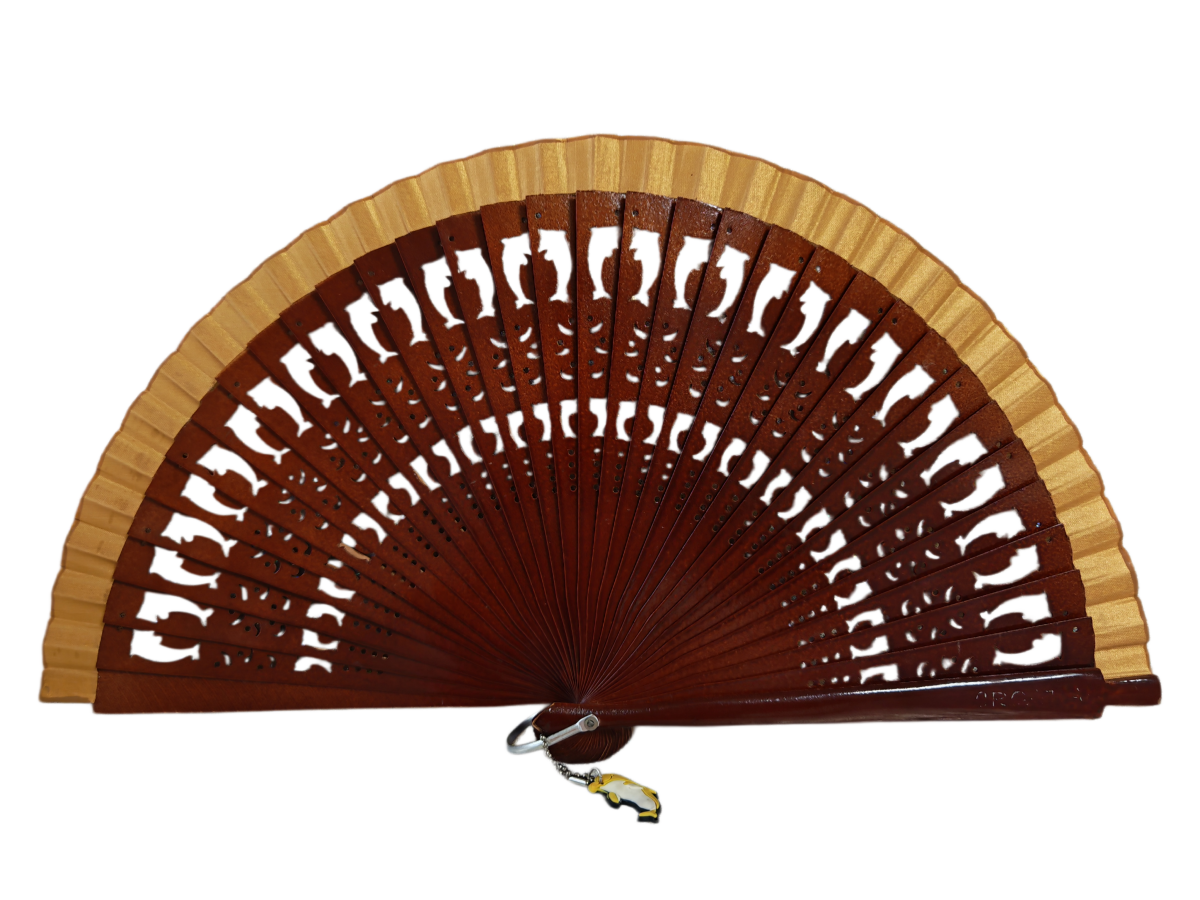
Why Eco-Friendly Wooden Fans Are Gaining B2B Demand
The accelerating shift toward sustainable business practices is reshaping procurement in the commercial sector—driving steady demand for eco-friendly wooden fans. Unlike conventional metal or plastic alternatives, these fans are crafted from renewable, responsibly sourced hardwoods, making them a natural fit for organizations committed to reducing environmental impact. For hotels, corporate offices, and retail chains, adoption supports green building certifications like LEED and BREEAM, which increasingly require low-impact fixtures.
Wooden fan blades also deliver measurable operational advantages: superior aerodynamic efficiency enables quieter operation (often under 35 decibels) and up to 20% lower energy consumption compared to flat-paddle alternatives. Combined with the durability of high-quality hardwoods, this translates into longer lifespans, reduced maintenance, and lower total cost of ownership—key considerations for facility managers and procurement teams.
Beyond performance, wood’s warm, organic aesthetic aligns with biophilic design principles now central to modern commercial interiors. As ESG reporting becomes mandatory for many enterprises, specifying eco-friendly wooden fans helps companies meet sustainability targets while reinforcing brand values. Consequently, hospitality groups, corporate real estate developers, and facility management firms are integrating these fans into standard specifications—creating contract-driven, scalable demand that supports long-term growth.
Material Sourcing and Manufacturing Sustainability
FSC-Certified Hardwoods and Low-Impact Finishes
Eco-friendly wooden fans begin with verified, responsible forestry. FSC (Forest Stewardship Council) certification ensures timber originates from forests managed for zero deforestation and biodiversity protection—and provides chain-of-custody documentation that gives B2B buyers auditable proof of ethical sourcing. Hardwoods like maple and oak are selected for dimensional stability and longevity, directly extending product life and minimizing replacement cycles.
To complement sustainable wood, leading manufacturers use low-VOC water-based finishes and natural oil sealants—eliminating harmful off-gassing during production and throughout the fan’s service life. A 2023 study by a leading material research institute found that water-based coatings reduce finishing emissions by up to 70% versus traditional solvent-based lacquers. This pairing of certified timber and clean chemistry delivers both durability and indoor air quality benefits—making wooden fans a verifiable component of healthy, green building interiors.
Carbon-Neutral Production and Waste Reduction Practices
Manufacturing is evolving to address embodied carbon head-on. A growing number of specialized facilities achieve carbon-neutral certification by powering kilns and CNC machinery with on-site solar arrays—a stark contrast to the energy-intensive processes required for metal smelting or ABS plastic molding.
Waste reduction follows a circular economy model: sawdust and off-cuts are repurposed as biomass fuel pellets or compressed into composite boards for packaging, pushing waste diversion rates above 90% in optimized operations. Precision cutting software further maximizes board yield per log, minimizing kerf loss. Together, these practices transform production waste into value—strengthening the fan’s environmental profile through resource efficiency and closed-loop accountability.
Performance and Design Advantages of Wooden Fan Blades
Aerodynamic Efficiency and Quiet Operation
Precision-carved airfoil profiles reduce drag and enable large-volume airflow at lower rotational speeds—cutting energy use by up to 20% compared to flat-paddle designs. Wood’s natural density and grain structure also dampen vibration, contributing to ultra-quiet operation (typically under 35 dB), especially when paired with direct-drive motors that eliminate gearbox noise. These attributes make wooden fans ideal for noise-sensitive environments such as libraries, healthcare facilities, and open-plan offices.
Customizable Aesthetics for Commercial Interiors
Wood offers unmatched versatility in commercial specification: finishes range from light bamboo to rich walnut, and blades can be stained, painted, or left natural to align with corporate branding or interior design schemes. A 2023 survey by Commercial Design Journal found that 82% of architects prioritize wood’s warmth and authenticity when selecting sustainable HVAC accessories. Beyond standard profiles, blades can be custom-shaped—curved, tapered, or asymmetrical—to harmonize with modern, rustic, or industrial aesthetics. The result is a high-performance mechanical solution that also elevates spatial identity and supports holistic design intent.
Certifications, Compliance, and B2B Procurement Considerations
Certifications serve as essential trust signals in B2B procurement—especially as sustainability regulations tighten and green building standards evolve. Third-party validation streamlines specification, reduces due diligence burden, and ensures alignment with institutional ESG goals. A 2023 survey found that nearly 60% of enterprise buyers require formal compliance certifications before qualifying a supplier.
EPA Safer Choice, Cradle to Cradle, and Energy Star Alignment
EPA Safer Choice certification verifies that all finishes, adhesives, and housing materials are free from chemicals of concern. Cradle to Cradle Certified® evaluates material health, recyclability, renewable energy use, and social fairness—confirming the fan’s fit within a circular economy framework. Energy Star alignment validates motor and control efficiency against strict U.S. EPA benchmarks, ensuring measurable reductions in operational carbon. Collectively, these credentials provide a comprehensive, third-party-verified sustainability profile that simplifies decision-making for procurement and sustainability officers alike.
Bulk Ordering, Lead Times, and Green Building Specification Support
Bulk orders for commercial projects typically include dedicated account management and predictable lead times—usually 8–12 weeks for large-scale deployments. Reputable suppliers provide full documentation packages supporting LEED v4, BREEAM, and WELL Building Standard credits, including FSC chain-of-custody certificates, low-VOC test reports, and full material ingredient disclosures (IMDs). Many also offer physical sample kits and native BIM objects to accelerate specification review and ensure seamless integration into architectural and engineering workflows—from early-stage design through final installation.
FAQ
What are the environmental benefits of eco-friendly wooden fans?
Eco-friendly wooden fans are made from responsibly sourced FSC-certified hardwoods and feature low-VOC finishes, reducing deforestation and harmful emissions. Their production often involves carbon-neutral processes and waste reduction strategies.
How do wooden fans compare in energy efficiency to traditional alternatives?
Wooden fans feature precision-carved airfoil profiles that cut energy use by up to 20%, making them more energy-efficient than traditional flat-paddle designs.
Are wooden fans suitable for noise-sensitive environments?
Yes, wooden fans operate at ultra-low noise levels—typically under 35 decibels—due to their aerodynamic design and natural vibration-dampening properties, making them ideal for quiet settings like libraries and healthcare facilities.
What certifications should businesses look for when purchasing wooden fans?
Businesses should look for certifications such as FSC, EPA Safer Choice, Energy Star, and Cradle to Cradle, which ensure sustainable sourcing, energy efficiency, and compliance with green building standards.
How can wooden fans align with commercial interior design?
Wooden fans offer customizable finishes and blade shapes to match various design themes, including modern, rustic, and industrial styles, while adding warmth and authenticity to spaces.
Table of Contents
- Why Eco-Friendly Wooden Fans Are Gaining B2B Demand
- Material Sourcing and Manufacturing Sustainability
- Performance and Design Advantages of Wooden Fan Blades
- Certifications, Compliance, and B2B Procurement Considerations
-
FAQ
- What are the environmental benefits of eco-friendly wooden fans?
- How do wooden fans compare in energy efficiency to traditional alternatives?
- Are wooden fans suitable for noise-sensitive environments?
- What certifications should businesses look for when purchasing wooden fans?
- How can wooden fans align with commercial interior design?