 EN

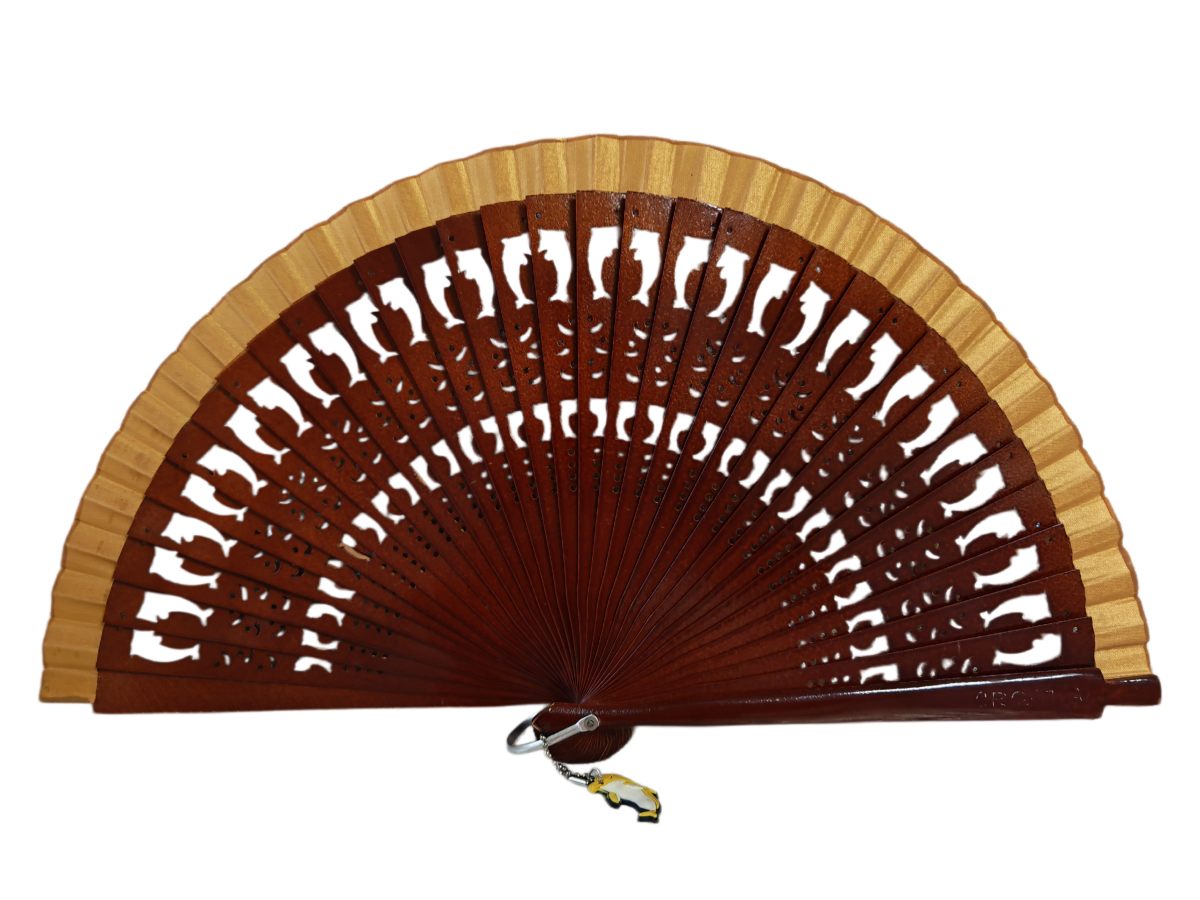
Why Handmade Lace Hand Fans Are Heirloom-Worthy Investments
Transcending trends: The timeless aesthetic and functional longevity of handmade lace hand fans
Handmade lace hand fans are engineered for permanence—not passing trends. Each integrates traditional lace-making methods—where patterns are built thread by thread on a pillow—with sturdy yet lightweight supports like bamboo ribs or mother-of-pearl guards. This combination resists the deterioration common in mass-produced novelties that rely on synthetic glues or plastics. The delicate openwork of authentic Valenciennes or Chantilly-influenced lace maintains its integrity for decades when stored flat and dry, while the fan’s tactile cooling function remains eternally relevant. A well-cut folding fan opens and closes with satisfying precision, serving both as a functional object and a quiet anchor in ceremonial attire or interior decor. Because skilled artisans construct each piece without industrial shortcuts, the fan transcends seasonal color cycles and fast-fashion whims—becoming a narrative-rich heirloom passed from a wedding day to a granddaughter’s debut.
Data insight: 68% of luxury accessory buyers prioritize ‘craft longevity’—why handmade lace hand fans lead in perceived lifetime value (McKinsey Luxury Report, 2023)
When 68% of luxury accessory buyers name craft longevity as their top priority, the market signals a decisive shift from disposable ornamentation to enduring skill. Handmade lace hand fans embody this perfectly: a single fan can require over forty hours of specialized labor, embedding visible proof of time-intensive dedication in every motif. Buyers intuitively connect that effort with higher lifetime value—unlike machine-cut lace that frays within a season, a hand-knotted fan ages gracefully, its patina deepening its appeal. This perception is reinforced by the materials themselves; untarnished mother-of-pearl sticks and naturally moth-resistant linen lace signal a lifespan measured in generations. In a landscape flooded with ephemeral goods, a handcrafted lace fan communicates intentionality and permanence—making it a rational heirloom investment aligned with what discerning consumers already value most.
The Dual Mastery Behind Authentic Handmade Lace Hand Fans
Lace making meets fan artistry: How European lace traditions (e.g., Valenciennes, Chantilly) integrate with precision fan construction
True handmade lace hand fans demand a rare convergence of two demanding crafts. The lace itself—whether intricate Chantilly floral mesh or the delicate square-meshed ground of Valenciennes—is worked entirely by hand, often using dozens of bobbins on a pillow. Master lace-makers spend decades perfecting these techniques. Meanwhile, fan construction requires equal precision: a finely jointed guard and sticks, a flexible mount that folds without crimping, and a rivet engineered for thousands of smooth openings and closings. Integrated correctly, the lace panel must withstand tension across the ribs while retaining its airy drape. Unlike machine-made imitations, hand-assembled fans use hand-tied silk threads to secure the lace to each stick—distributing stress evenly. This fusion of textile art and kinetic engineering is why properly constructed pieces remain functional for decades. When the two craftsmen collaborate—often in separate workshops—the result bears no comparison to mass-produced assembly lines, where glued or stapled lace quickly frays. Selecting a fan that reveals consistent stitch tension and a seamless marriage of fabric to frame guarantees an object that is both beautiful and built to last.
Case study: A historic French workshop’s bespoke handmade lace hand fans—100+ years of interwoven craft expertise
One family-run atelier in northern France exemplifies this dual mastery. For over a century, its artisans have sourced vintage bobbin lace and hand-worked needlepoint from regional convents and private collections, then paired them with hand-carved mother-of-pearl or ethically sourced bamboo ribs. Each fan begins with a precise pattern: the lace piece is first mounted on a temporary frame to test tension before a single stitch binds it permanently to the fan’s sticks. The workshop’s archives hold over 5,000 original lace patterns, some dating to the 1890s, and the current master fan-maker is the fourth generation to assemble these heirlooms. Clients can commission bespoke designs, selecting a lace style and rib material that reflect personal heritage. The result is not merely an accessory but a signed work—stitched with the maker’s initials and dated. These bespoke pieces routinely become multi-generational treasures, demonstrating how a century of interwoven expertise converts fragile thread into a durable, functional sculpture.
Materials Matter: Provenance, Sustainability, and Authenticity in Handmade Lace Hand Fans
From vintage bobbin lace to ethically sourced bamboo ribs: How material integrity defines true handmade lace hand fans
Material choice separates authentic handmade lace hand fans from mass-produced imitations. Vintage bobbin lace—crafted with painstaking needlework—carries a provenance that machine lace cannot replicate. Its delicate patterns bear the signature of skilled artisans who employ centuries-old techniques like Valenciennes or Chantilly. Paired with ethically sourced bamboo ribs, the fan achieves a sustainability profile that resonates with modern eco-conscious buyers. Bamboo from FSC-certified forests grows rapidly and requires minimal water, sharply reducing environmental impact. When these components unite, the resulting fan is not just a cooling accessory—it is a testament to responsible luxury. Such integrity ensures each piece stands as a genuine artifact, not a disposable commodity. Discerning collectors verify lace authenticity by examining thread fiber under magnification and assessing bamboo grain uniformity—hallmarks of true craftsmanship that no factory production can mimic.
Supporting Endangered Craft Through Conscious Curation of Handmade Lace Hand Fans
From anonymity to authorship: How maker recognition elevates the value and legacy of handmade lace hand fans
When a maker’s name accompanies a handmade lace hand fan, the piece transcends decoration—it becomes a personal narrative. This shift from anonymity to authorship transforms the fan into a curated artefact with documented provenance. Buyers connect with the lace maker’s story, method, and regional tradition, which deepens emotional attachment and perceived worth. A named maker turns a delicate accessory into a tangible legacy that can be passed through generations with a clear human lineage. This authenticity is what truly separates an heirloom from a mere ornament. As conscious consumers increasingly seek objects with meaning, maker recognition builds a bridge between purchase and preservation—guaranteeing that the craft’s intangible value endures long after the silk and lace are admired.
Urgency in action: Fewer than 120 certified lace-makers remain in Belgium (UNESCO, 2022)—why each purchase of handmade lace hand fans sustains cultural continuity
With fewer than 120 certified lace-makers still active in Belgium (UNESCO, 2022), the window to support this living heritage is narrowing. Hand-fan making itself appears on the Heritage Crafts Association’s Red List of Critically Endangered Crafts—a sobering marker of a skill base that could vanish within a generation. Every acquisition of a handmade lace fan becomes an act of cultural stewardship: it funds the artisan’s livelihood, enables intergenerational teaching, and keeps rare techniques—like Valenciennes or Chantilly lace—alive. Without direct patronage, the embodied knowledge of these craftspeople risks disappearing, taking with it an irreplaceable thread of European textile history. A purchase today does not simply buy beauty—it reaffirms that this fragile art form has a future.
FAQ
Why are handmade lace hand fans considered heirloom-worthy?
Handmade lace hand fans are crafted using traditional techniques and durable, high-quality materials like Valenciennes or Chantilly lace and bamboo ribs. This craftsmanship ensures their longevity, making them ideal for meaningful, multi-generational use.
What makes handcrafted lace fans superior to machine-made fans?
Handcrafted lace fans use authentic materials and involve meticulous craftsmanship that ensures durability and precision. Unlike machine-made fans, they are designed to last decades without fraying or damage.
Are handmade lace hand fans sustainable?
Yes, many handmade lace hand fans are crafted using ethically sourced materials, such as FSC-certified bamboo ribs, which reduce environmental impact. Additionally, these fans are built to last, reducing the need for replacements.
How can I verify the authenticity of a handmade lace hand fan?
Verify the authenticity by examining the lace pattern and thread fiber under magnification, as well as assessing the consistency of bamboo ribs and joints. Authentic fans often include maker signatures or initials.
Why is buying handmade lace fans important for preservation?
Purchasing handmade lace fans supports endangered crafts and artisans, ensuring the survival of traditional techniques like Chantilly and Valenciennes lace-making. It also sustains cultural heritage and provides a future for this specialized craft.