 EN
EN

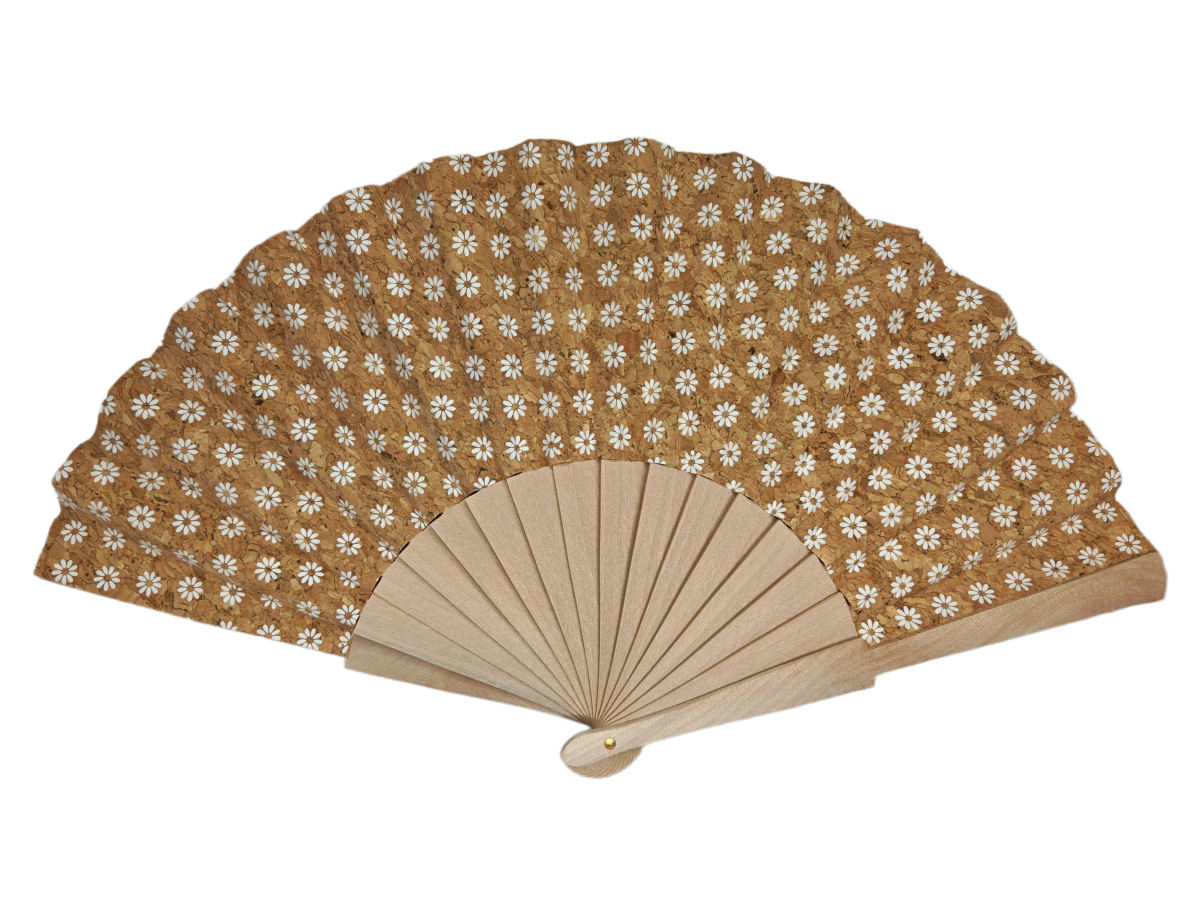
Why Eco Cloth Hand Fans Advance Corporate Sustainability and ESG Goals
Carbon and Waste Reduction: Measuring Impact vs. Disposable Alternatives
Corporate events frequently generate avoidable waste—especially from single-use promotional items like plastic hand fans. Eco cloth hand fans, designed for repeated use, disrupt this linear “take-make-dispose” model. Compared to a disposable polypropylene fan—used for just a few hours and discarded—the reusable organic cotton or bamboo alternative spreads its initial carbon footprint across hundreds of uses. Lifecycle analysis shows that switching to a durable fan prevents over 1.5 kilograms of waste per unit over a two-year event cycle (2023). This measurable diversion directly supports waste reduction targets and decouples business activity from resource consumption. Companies can track progress by quantifying single-use items avoided—turning procurement decisions into auditable sustainability outcomes.
Supporting Scope 3 Emissions Reporting and Ethical Procurement Metrics
Procurement teams increasingly need to report on Scope 3 emissions—the indirect greenhouse gas impacts across a company’s value chain. Sourcing eco cloth hand fans offers a concrete, traceable opportunity to improve these metrics. Choosing fans made from FSC-certified bamboo and GOTS-certified organic cotton enables documented reductions in upstream emissions. Supplier data—including energy sources, material origin, and processing methods—feeds directly into GHG Protocol calculations. Crucially, certifications like GOTS provide verified social and environmental data: from farm-level water stewardship and pesticide-free cultivation to fair wages and safe working conditions. This transforms a routine promotional purchase into an ethical procurement action—strengthening ESG reporting with credible, third-party-validated evidence.
Key Criteria for Sourcing Authentic Eco Cloth Hand Fans
Sustainable Materials: Organic Cotton, Bamboo, and Recycled Textiles
Authentic eco cloth hand fans begin with purpose-built materials. Organic cotton—grown without synthetic pesticides—is soft, breathable, and fully biodegradable, reducing post-event waste burden. Its global supply has grown significantly, particularly in India and Peru, improving accessibility and cost competitiveness (Dataintelo 2023). Bamboo, a fast-growing grass, now accounts for roughly 31.8% of hand fan materials due to its strength-to-weight ratio and low-carbon growth profile. Yet buyers must confirm mechanical (not chemical) processing—because rayon derived from chemically pulped bamboo undermines environmental benefits. Recycled textiles—including post-consumer polyester from plastic bottles and reclaimed cotton from apparel waste—further close the loop by lowering demand for virgin resources. When evaluating options, request full material disclosures: fiber composition, geographic origin, processing method, and dye chemistry. Prioritize fans using natural dyes or water-based adhesives, avoiding synthetic finishes that hinder end-of-life recyclability or composting.
Credible Certifications: GOTS, FSC, and Plastic-Free Production Verification
Certifications are essential guardrails against greenwashing—and key enablers of ESG credibility. GOTS certification covers the entire organic textile supply chain, verifying both ecological processing standards and fair labor practices. For bamboo components, FSC certification ensures responsible forest management—protecting biodiversity and preventing deforestation. Plastic-free production verification, conducted by independent auditors, confirms the absence of synthetic microplastics and petroleum-based additives in both fan construction and packaging. As market research indicates, such verifiable credentials differentiate sustainable brands and support premium positioning (Dataintelo 2023). Always request current certificates and validate them directly through the issuing body’s official database—not supplier websites. Avoid vague claims like “eco-friendly” or “green” without traceable, standardized proof. Rigorous certification alignment not only safeguards brand integrity but also reinforces corporate social responsibility commitments across procurement policies.
Ethical Sourcing Models: Artisan Partnerships vs. Responsible Mass Production
When sourcing eco cloth hand fans for corporate events, the choice between artisan partnerships and responsible mass production influences sustainability impact, scalability, and brand resonance. The table below outlines key distinctions:
| Dimension | Artisan Partnerships | Responsible Mass Production |
|---|---|---|
| Production scale | Small batches, often handcrafted | Larger volumes, standardized processes |
| Material traceability | Direct, often documented per community | Requires certified supply chain audits |
| Social impact | Supports local livelihoods, preserves traditional skills | Ensures fair wages, safe conditions via audit programs |
| Cost profile | Higher per‑unit cost due to labour‑intensive methods | Economies of scale reduce unit cost |
| Customisation flexibility | High – unique, bespoke designs possible | Limited to pre‑defined templates for efficiency |
| Environmental risk | Lower if natural dyes and local materials are used | Can be minimised through GOTS‑certified organic cotton and renewable energy |
Artisan collaborations deliver authenticity and deep-rooted social impact—ideal for values-led gifting and storytelling. Responsible mass production delivers consistency and scalability for high-volume needs, provided factories meet rigorous ethical and environmental benchmarks. The most effective strategy often combines both: a core line produced by GOTS- and SA8000-certified manufacturers, complemented by limited-edition artisan variants that embody tangible community investment and craftsmanship.
Matching Eco Cloth Hand Fans to Corporate Event Needs
Size, Durability, and Brand Visibility by Event Type
Selecting the right eco cloth hand fan means aligning physical design and branding approach with the event’s environment, audience, and objectives. The table below guides strategic selection:
| Event Type | Ideal Fan Size | Durability Requirement | Brand Visibility Strategy |
|---|---|---|---|
| Outdoor summer festivals | Large (10–12" | Sturdy bamboo frame, reinforced cloth | Bold, high-contrast prints visible from a distance |
| Formal indoor galas | Medium (8–9" | Elegant finish, smooth edges | Subtle, embossed logos on quality fabric |
| Trade show giveaways | Compact (7–8" | Lightweight, packable | Full-color prints on both sides for maximum exposure |
| Outdoor team-building | Large, durable | Water-resistant cloth, robust frames | Bright, motivational messaging aligned with company values |
FAQ Section
What are eco cloth hand fans made of?
Eco cloth hand fans are typically made from sustainable materials such as organic cotton, FSC-certified bamboo, and recycled textiles. These materials reduce waste and minimize environmental impact.
How do eco cloth hand fans support ESG goals?
They support ESG goals by reducing carbon footprint, minimizing waste, aligning with ethical procurement principles, and providing certifications like GOTS and FSC that demonstrate sustainable practices.
Are certifications important when sourcing eco cloth hand fans?
Yes, certifications like GOTS, FSC, and plastic-free production verification ensure environmental and social responsibility, safeguard brand reputation, and prevent greenwashing.
Can eco cloth hand fans be customized for branding?
Yes, they can be customized for various events with branding strategies like bold prints, subtle embossing, or motivational messaging, tailored to event type.