 EN
EN

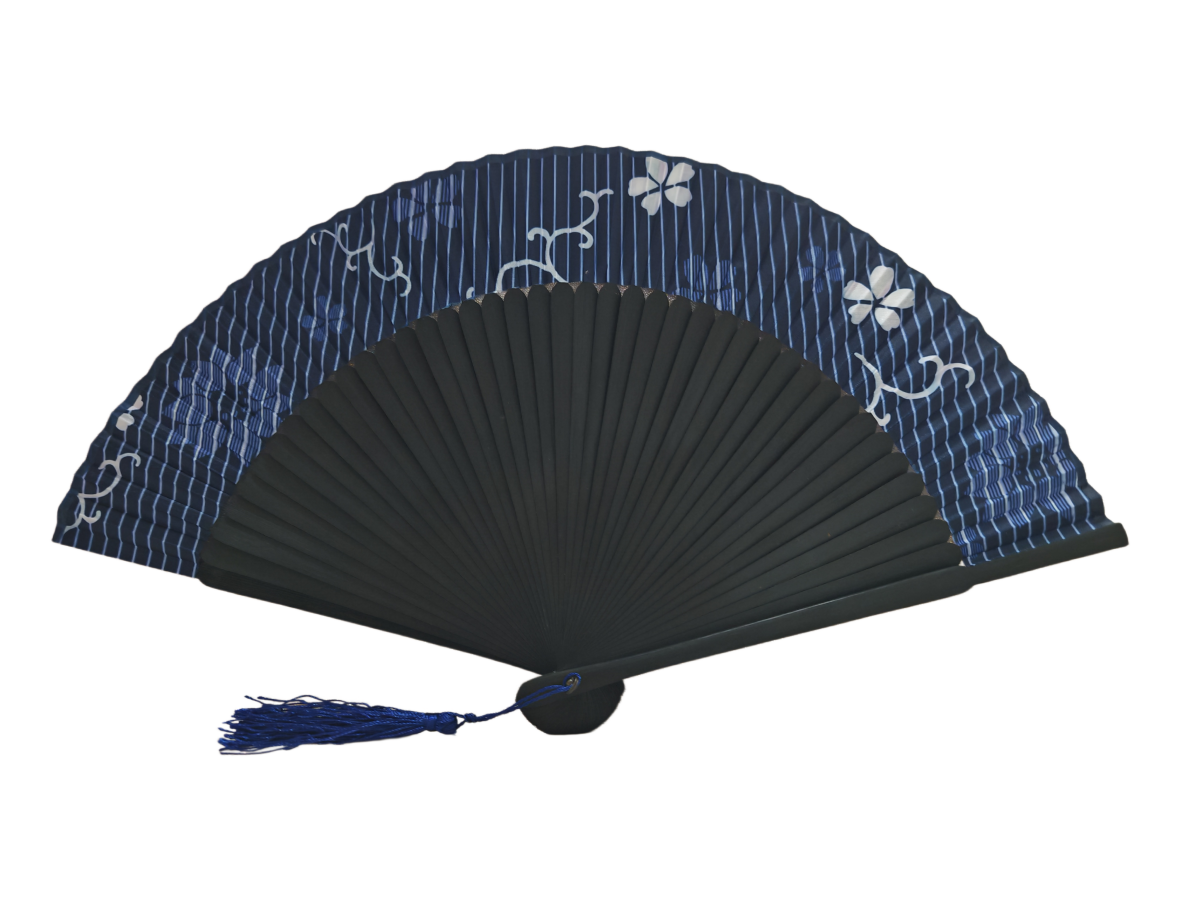
Why Bamboo Wooden Hand Fans Elevate Wedding and Event Experiences
Elegance Meets Functionality: Climate Control and Photogenic Appeal
Bamboo wooden hand fans blend timeless elegance with practical utility—especially at outdoor weddings and cultural celebrations. Crafted from sustainably harvested Moso bamboo, they offer gentle, portable cooling while reinforcing a cohesive, nature-inspired aesthetic. Their reusability across multiple events offsets initial cost concerns, and their organic texture enhances visual storytelling: guests fanning themselves often appear in the most candid, emotionally resonant photos captured during ceremonies. Research confirms that comfort-focused details like these significantly boost post-event satisfaction scores (Greater Good Events Survey 2023).
Key advantages include:
- Gentle airflow management, reducing reliance on energy-intensive cooling systems
- Natural wood grains and bamboo patterns that add tactile depth and warmth to event photography
- Durable construction that transforms them into meaningful keepsakes—unlike disposable alternatives
Symbolic Resonance in East Asian Rituals: Meaning Behind Fan Gifting and Use
In Japanese tradition, hand fans carry layered symbolism far beyond ornamentation. The folding sensu—originating in Heian-period courts (794–1185 CE)—and the rigid uchiwa, long used in Kabuki theatre, both embody wishes for prosperity, harmony, and new beginnings. When opened fully, the sensu forms a circle—a universal emblem of wholeness and good fortune—making it especially resonant for weddings. Moso bamboo’s natural resilience further reinforces this symbolism, evoking longevity and enduring partnership.
Contemporary officiants and planners increasingly integrate these fans not as props, but as intentional cultural touchpoints—honoring heritage with authenticity rather than superficiality. Ethical sourcing becomes essential when objects bear such meaning; partnering directly with certified artisans ensures respect for both craft and context.
Sustainable Craftsmanship: Ethical Sourcing and Artisanal Production of Bamboo Wooden Hand Fans
Moso Bamboo Harvesting and Low-Impact Processing for Eco-Conscious Events
Moso bamboo (Phyllostachys edulis) is the gold standard for sustainable fan production. It matures in just 4–5 years—without pesticides or synthetic fertilizers—and sequesters carbon at a rate of 17 metric tons per hectare annually (World Bamboo Organization 2023). Its regenerative growth cycle supports forest health and rural livelihoods alike. Processing remains intentionally low-impact: stem segments are traditionally boiled—not chemically bleached—to preserve structural integrity and lignin content, then finished with water-based dyes for custom branding. This closed-loop method minimizes wastewater and aligns with Green Event Alliance standards for plastic-free, climate-conscious celebrations.
Hand-Carved Detailing vs. Laser Engraving: Quality, Uniqueness, and Brand Value
Artisanal craftsmanship distinguishes premium bamboo fans from mass-produced versions—both technically and narratively.
- Hand-Carving: Master artisans invest 8–12 hours per fan, following grain direction to maintain flexibility and resonance. Each piece bears subtle, tactile variations—evidence of human skill—that elevate perceived value by 74% among luxury event planners (Event Design Journal 2024). These imperfections aren’t flaws; they’re signatures of authenticity and care.
- Laser Engraving: Delivers precise, repeatable motifs in under 20 minutes—but high-temperature vaporization scoring reduces bamboo’s natural flexibility by 40%, requiring thicker, stiffer strips that compromise traditional fan movement and balance.
For culturally grounded promotions, hand-carving supports ethical storytelling by centering living traditions—not static motifs. Pairing this with FSC or Fair Trade certification ensures transparency from forest to guest hand.
Cultural Authenticity and Responsible Use: Bamboo Wooden Hand Fans in Japanese Heritage and Global Promotions
Uchiwa and Sensu Traditions — Bridging Historical Significance with Modern Brand Storytelling
Japanese hand fans have long functioned as vessels of meaning: the sensu’s graceful fold-and-unfold motion mirrors life transitions, while the uchiwa’s steady presence evokes protection and continuity. Today, these forms inform bespoke fan designs—featuring hand-painted sakura blossoms, wave motifs, or seasonal kimonos—that resonate across cultures without dilution. When brands collaborate directly with Japanese or Japan-trained artisans, they anchor marketing narratives in real practice—not abstraction—deepening emotional connection and credibility.
Navigating Cultural Appropriation: Best Practices for Ethical Integration in Marketing and Events
Authentic integration begins with humility and accountability. To honor the heritage behind bamboo fans, prioritize these principles:
- Partner with cultural consultants or community representatives early in planning
- Credit source communities explicitly—in signage, digital assets, or spoken acknowledgments
- Avoid sacred or religious iconography unless invited to use it by knowledge-holders
- Choose fair-trade artisan collaborations that ensure equitable wages, safe working conditions, and creative agency
When used thoughtfully, bamboo wooden hand fans become more than functional accessories—they serve as quiet ambassadors of sustainability, skill, and shared human values.
FAQ
What are the benefits of using bamboo wooden hand fans at events?
Bamboo wooden hand fans offer gentle airflow management, add tactile depth and warmth to photography, and their durable construction makes them meaningful keepsakes.
Why are bamboo wooden hand fans considered sustainable?
They are made from Moso bamboo which matures quickly without pesticides and promotes eco-friendly low-impact processing.
What is the cultural significance of hand fans in Japanese tradition?
They symbolize prosperity, harmony, and new beginnings, making them meaningful for events such as weddings.