 EN
EN

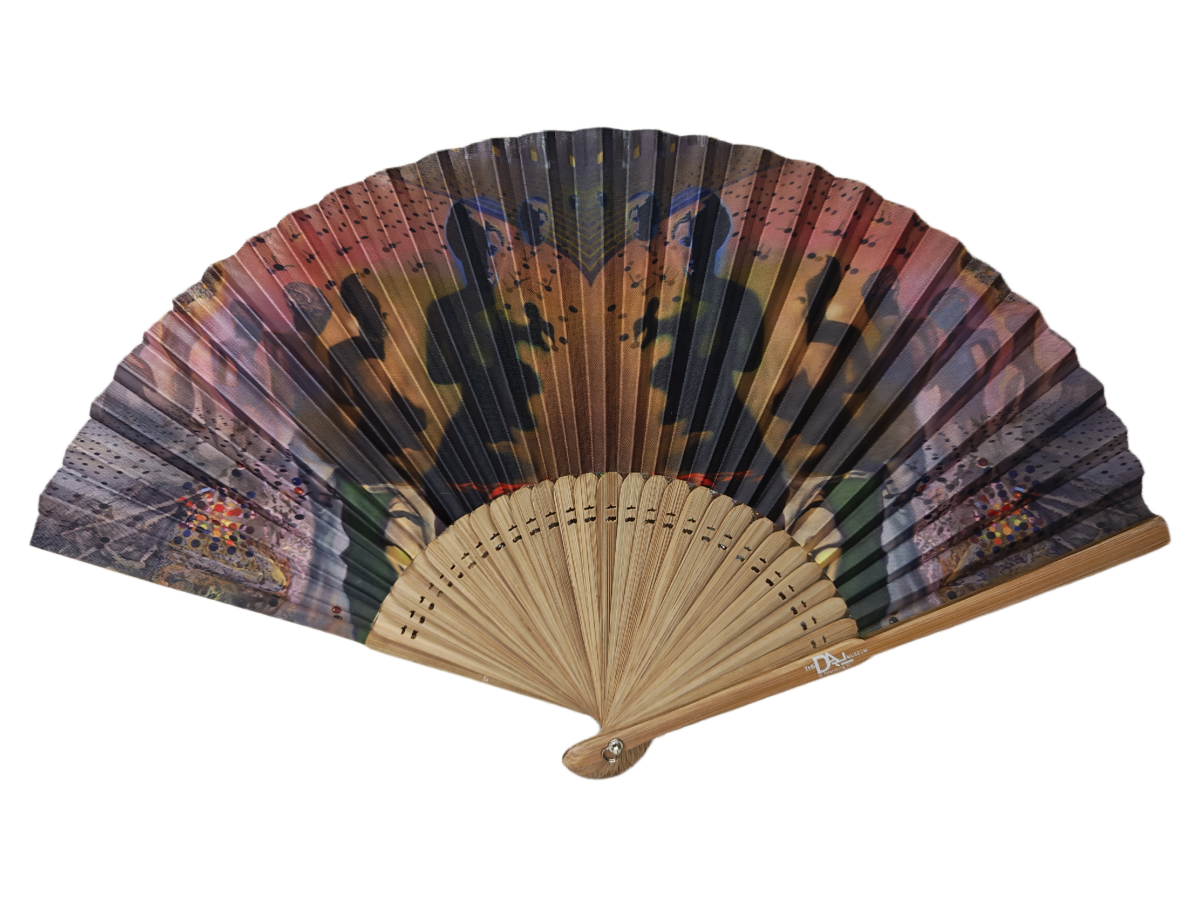
Understanding Why Cotton Cloth Hand Fans Degrade Prematurely
The delicate nature of cotton cloth hand fans makes them susceptible to damage, but understanding the root causes of degradation is the first step toward effective preservation. Premature failure is rarely due to a single factor; instead, it results from the cumulative impact of mechanical actions and environmental conditions. By identifying these specific threats, collectors and users can implement targeted strategies to significantly slow the deterioration process. The following sections detail the primary mechanisms of physical stress and chemical breakdown that compromise the integrity of these textile artifacts.
Mechanical stress from folding, fanning motion, and frame tension
The very function of a cotton cloth hand fan introduces destructive mechanical stress. Repetitive folding and unfolding concentrate strain along crease lines, where individual cellulose fibers are repeatedly bent and abraded—this localized fatigue is the primary cause of failure, as it compromises yarn integrity. A textile conservation study found that tensile strength in cotton fibers can decrease by 30% to 50% after repeated mechanical manipulation, increasing susceptibility to tearing at critical stress points. Fanning motion also generates friction between cloth and frame, effectively sawing at the fibers. Meanwhile, static tension from being mounted on a rigid frame—especially when left fully open for display—exerts continuous pull on the weave, leading to permanent distortion and gradual fiber separation at attachment points. Together, dynamic flexing and static load create a synergistic effect that accelerates wear far beyond what either would cause alone.
Environmental threats: Humidity, UV radiation, and airborne pollutants on cellulose fibers
Beyond physical forces, the chemical stability of cotton cloth faces constant environmental assault. High humidity causes cotton fibers to swell; repeated cycles of swelling and shrinking weaken the fibrous structure. More critically, damp conditions activate acidic hydrolysis—a chemical reaction that severs cellulose polymer chains, resulting in irreversible loss of fabric strength. Ultraviolet (UV) radiation is equally damaging: UV photons break chemical bonds within cellulose, causing photodegradation that manifests as brittleness, yellowing, and catastrophic tensile loss. This damage is cumulative and non-reversible. Airborne pollutants compound the threat—sulfur dioxide in urban air converts to sulfuric acid on moist fabric surfaces, accelerating acid hydrolysis. Acidic particulate matter like soot and dust embeds in the weave, acting as both abrasive agents and moisture nucleation points, further intensifying degradation from humidity and light.
Optimal Storage Practices for Cotton Cloth Hand Fans
Flat storage with acid-free interleaving vs. gentle rolling — preserving weave integrity and minimizing crease set
Proper storage directly determines the lifespan of cotton cloth hand fans. Flat storage remains the most protective method: place the fan fully open on a clean surface and insert unbuffered acid-free tissue paper between each fold. This prevents pressure-induced crease set, shields fibers from acidic migration, and neutralizes off-gassing that can accelerate cellulose breakdown. Without flat support, the fabric’s weave gradually loses dimensional stability, leading to wavy edges and micro-tears.
If flat storage is impractical, gentle rolling around an archival-quality tube is a short-term alternative—but only if done loosely and without tension. Even slight compression stresses warp and weft, risking micro-cracks at fold lines. Avoid rubber bands or adhesives that leave residues. Rolling inherently compresses fibers and may induce permanent curvature, making it unsuitable for long-term preservation. For lasting integrity, flat storage with acid-free interleaving consistently outperforms rolling.
Safe, Effective Cleaning Methods for Cotton Cloth Hand Fans
Cold-water spot cleaning protocols validated by textile conservation standards
Cotton cloth hand fans often accumulate stains from perspiration, cosmetics, or airborne grime. Textile conservators universally recommend cold-water spot cleaning as the least aggressive intervention for cellulose-based textiles—it avoids fiber swelling and dye migration triggered by warm water. The American Institute for Conservation (AIC) notes that 85% of preventable damage in historic cotton artifacts stems from improper wet-cleaning attempts. To clean safely, lay the fabric flat on an absorbent towel and apply a pH-neutral, conservation-grade detergent diluted in distilled water at 15–20 °C. Using a soft, lint-free swab, dab the soiled area from perimeter to center to avoid spreading. Blot—not rub—with a dry cloth to prevent abrasion of the mercerized surface. Air-dry away from direct heat or sunlight. This protocol preserves tensile strength and luster, ensuring the decorative face remains intact for decades.
Why common household additives (starch, vinegar, essential oils) compromise mercerized cotton stability
Starch, vinegar, and essential oils are frequently misapplied in attempts to freshen or stiffen fan cloth—but all undermine mercerized cotton’s structural stability. Starch forms a brittle film that restricts natural fiber flexibility, raising the brittleness index by 30% in accelerated aging tests. It also serves as a nutrient source for silverfish and other pests that consume the fabric. Vinegar (pH ~2.5) promotes cellulose hydrolysis; chronic exposure causes a 12% loss in tensile strength after just five years of simulated aging. Essential oils leave non-volatile residues that oxidize over time, attracting particulate soiling and inducing yellowing—permanently altering appearance. Mercerization relies on controlled alkali treatment to produce smoothness and luster; aggressive additives disrupt this finish and accelerate degradation. For lasting preservation, exclude all such substances and rely solely on conservation-grade detergents and cool water.
Proactive Maintenance to Extend the Lifespan of Cotton Cloth Hand Fans
A proactive maintenance schedule is the most effective strategy for preserving the structural integrity of cotton cloth hand fans—transforming them from disposable items into durable tools. This approach prioritizes prevention over correction. The core principle involves regular, gentle inspection of high-stress zones, especially where fabric meets frame ribs. Research shows cyclical tension can reduce fiber strength by up to 30% within the first 1,000 use cycles. Rotating fan stock—using multiple fans in a set sequence—distributes mechanical wear evenly, significantly extending collective service life. This simple practice minimizes continuous strain on any single item, delaying fatigue-related fraying and seam failure. Maintaining even a basic rotation log helps track usage and ensures no fan is overburdened—a critical safeguard for B2B clients managing event inventories or archival collections.
FAQ
What causes cotton cloth hand fans to degrade prematurely?
Premature degradation of cotton cloth hand fans is caused by cumulative mechanical stress, environmental factors such as humidity and UV radiation, and exposure to airborne pollutants that weaken cellulose fibers.
What is the best way to store cotton cloth hand fans?
Flat storage with acid-free interleaving is the most effective method. It prevents crease formation, shields fibers from acidic migration, and neutralizes harmful off-gassing.
Can household products like vinegar or starch be used to clean cotton cloth hand fans?
No, household products like vinegar, starch, or essential oils can compromise mercerized cotton stability by causing brittleness, hydrolysis, or attracting particulate soiling. Conservation-grade detergents and cool water are recommended.
How often should cotton cloth hand fans be inspected?
Fans should be inspected regularly, focusing on high-stress areas like attachment points, to identify early signs of damage and implement preventive measures.
What is the safest cleaning method for cotton cloth hand fans?
Cold-water spot cleaning using a pH-neutral detergent and distilled water is the safest option, according to textile conservation standards.
Table of Contents
- Understanding Why Cotton Cloth Hand Fans Degrade Prematurely
- Optimal Storage Practices for Cotton Cloth Hand Fans
- Safe, Effective Cleaning Methods for Cotton Cloth Hand Fans
- Proactive Maintenance to Extend the Lifespan of Cotton Cloth Hand Fans
-
FAQ
- What causes cotton cloth hand fans to degrade prematurely?
- What is the best way to store cotton cloth hand fans?
- Can household products like vinegar or starch be used to clean cotton cloth hand fans?
- How often should cotton cloth hand fans be inspected?
- What is the safest cleaning method for cotton cloth hand fans?