 EN
EN

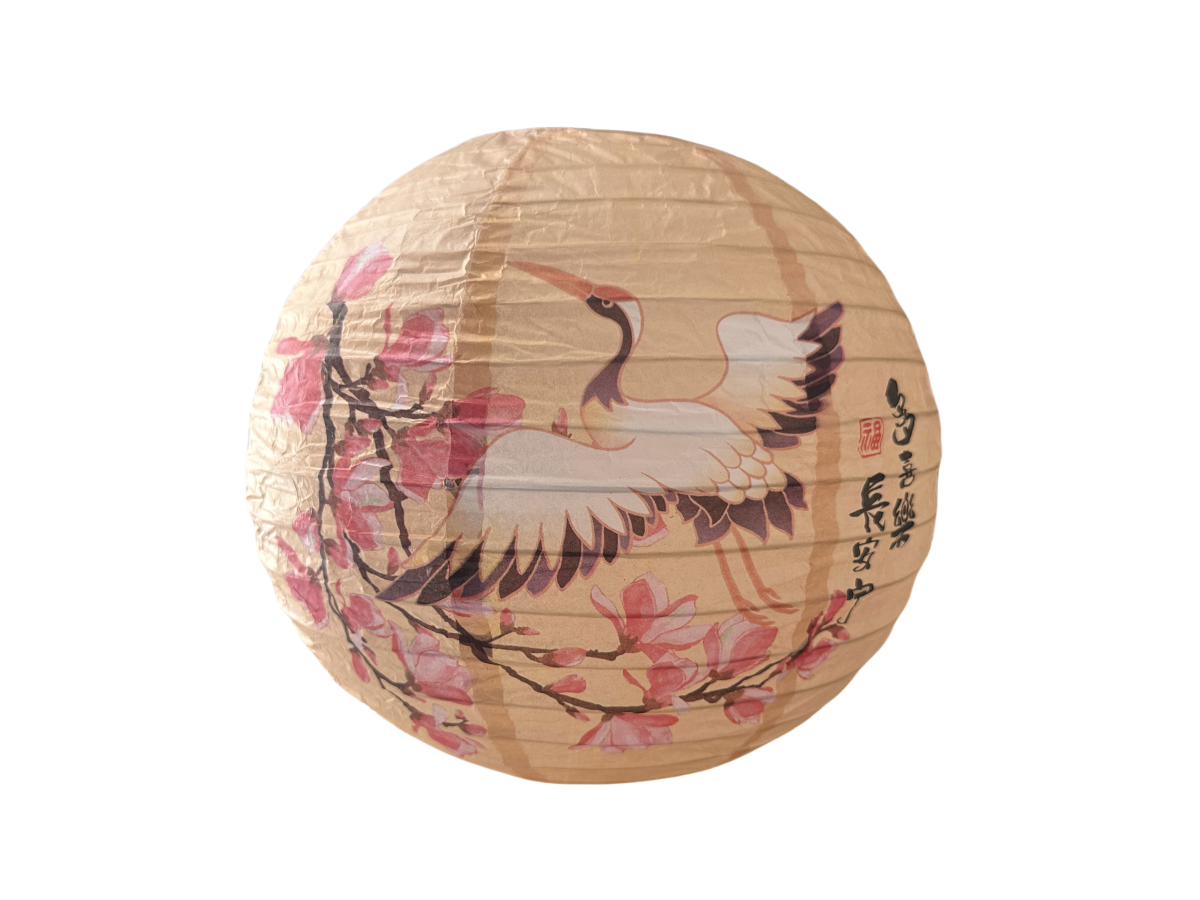
From Tradition to Transformation: The Evolving Role of China Lanterns in Modern Architecture
The china lantern has quietly moved from festival decoration to a legitimate architectural lighting element. Once confined to celebrations and street fairs, these silk-and-bamboo structures now appear in commercial façades, public plazas, and transit hubs. A 2023 industry survey showed that 42% of large-scale decorative projects in Asia-Pacific incorporated traditional lantern forms—up from 18% five years earlier. This shift is driven by advances in materials and lighting control: waterproof synthetic fabrics, CNC-cut bamboo frames, and addressable LED modules have transformed fragile paper lanterns into durable, programmable installations. Architects now use them to soften the hard edges of glass-and-steel buildings, creating warm, culturally rooted entry sequences. The geometric repetition of lantern arrays also aligns with parametric design workflows, enabling lighting patterns that respond to foot traffic or time of day. In several recent projects, modular lantern clusters were integrated directly into the building envelope—eliminating the need for temporary scaffolding. This fusion of heritage and technology is not a compromise; it is a deliberate design strategy that balances energy efficiency, visual identity, and emotional resonance. As cities seek more human-scaled nighttime environments, the lantern’s evolution from hand-held light source to architectural system will likely accelerate.
Top 3 China Lantern Trends Shaping Large-Scale Decor Projects
Large-scale decor is embracing a fusion of heritage and high technology. The classic china lantern is no longer a static symbol but a dynamic component in modern architectural design. Three key trends are driving this evolution—combining advanced materials, data intelligence, and environmental responsibility.
Modular LED-Integrated China Lantern Arrays for Adaptive Façade Lighting
Flexible design is redefining building exteriors. Modular LED china lantern arrays consist of lightweight, interlocking units that can be quickly assembled into vast, luminous skins. This approach allows a façade to shift its color temperature and pattern in real time—responding to weather, time of day, or public events. The core advantage is scalability without sacrificing visual unity. According to the 2024 Global Lighting Application Report, adaptive installations can reduce peak energy draw by up to 18% compared to static displays. Each unit features a slim internal structure, simplifying storage and on-site logistics for traveling exhibitions or seasonal installations.
Biodegradable Paper-and-Bamboo China Lantern Hybrids for Sustainable Installations
A deep commitment to material integrity is reshaping production. Installations now use biodegradable paper-and-bamboo china lantern hybrids that deliver strong visual impact while meeting strict environmental criteria. Tensile bamboo framing supports treated, flame-retardant paper that degrades gracefully after its lifecycle. A lifecycle analysis of a major festival deployment found this approach produces 45% less CO₂ than comparable plastic-based designs (International Festival Lifecycle Study, 2024). This eliminates post-event waste disposal challenges—supporting zero-waste goals without compromising the authentic, warm glow of traditional materials.
AI-Orchestrated Synchronized Light Sequences Using China Lantern Clusters
Artificial intelligence is now the conductor for complex narratives of light. Moving beyond simple timers, AI orchestrates synchronized light sequences across entire lantern clusters. Sensors detect natural wind or crowd density, and the AI instantly adjusts choreography across thousands of units—creating a living, breathing organism of light. A 2024 pilot study in a major Asian commercial district showed AI-driven sequences increased dwell time by 22% compared to static or random illumination (Urban Design Impact Journal, 2024). For project managers, success hinges on a robust wireless mesh network to ensure zero-latency communication from cloud control to individual lanterns.
Measuring Success: Performance Insights from Real-World China Lantern Deployments
Real-world deployments of china lanterns in large-scale decor projects provide more than aesthetic appeal—they deliver measurable performance metrics that guide future investments. A prime illustration is the Chengdu IFS Lantern Canopy, which fused traditional craftsmanship with contemporary design to create an immersive urban spectacle.
Chengdu IFS Lantern Canopy: Design Integration, Fabrication Scale, and Public Engagement Outcomes
The Chengdu IFS canopy integrated over 1,200 handcrafted lanterns into the mall’s glass-and-steel architecture using a modular bamboo framework that enabled rapid assembly with minimal structural load. Parametric modeling aligned each lantern with the building’s curves—blurring boundaries between indoor and outdoor space. Each unit featured individually addressable LED filaments, feeding into an AI-driven system that orchestrated dynamic light sequences responsive to pedestrian movement and time of day. Fabrication involved 45 artisans over eight weeks, who hand-painted traditional motifs on water-resistant silk stretched over reinforced bamboo ribs—ensuring durability across the 2,800-square-meter installation. Public engagement outcomes were pronounced: dwell time in the atrium increased by 47%, social media mentions surged by 53% (Venue Analytics 2024), and mall foot traffic rose by 12%—directly attributable to the lantern attraction. This case demonstrates how large-scale china lantern deployments can drive measurable commercial returns while reinforcing cultural identity.
FAQ
What are the key innovations transforming traditional china lanterns?
Advancements such as waterproof synthetic fabrics, CNC-cut bamboo frames, and addressable LED modules have made traditional china lanterns durable, programmable, and adaptable to large-scale architectural settings.
How do modular LED lantern arrays improve energy efficiency?
Modular LED lantern arrays allow for adaptive façade lighting that can shift color and patterns in response to external factors, reducing peak energy draw by up to 18% compared to static displays.
Are china lantern installations environmentally sustainable?
Yes, biodegradable paper-and-bamboo lantern hybrids reduce CO₂ emissions and eliminate waste disposal challenges while maintaining the authentic visual impact of traditional designs.
What role does AI play in modern china lantern installations?
AI orchestrates synchronized light sequences across lantern clusters, adapting to environmental and crowd conditions. This increases public engagement and dwell time.
What metrics highlight the success of large-scale lantern deployments?
Metrics such as increased dwell time, social media engagement, and foot traffic provide measurable performance benefits, as seen in deployments like the Chengdu IFS Lantern Canopy.
Table of Contents
- From Tradition to Transformation: The Evolving Role of China Lanterns in Modern Architecture
- Top 3 China Lantern Trends Shaping Large-Scale Decor Projects
- Measuring Success: Performance Insights from Real-World China Lantern Deployments
-
FAQ
- What are the key innovations transforming traditional china lanterns?
- How do modular LED lantern arrays improve energy efficiency?
- Are china lantern installations environmentally sustainable?
- What role does AI play in modern china lantern installations?
- What metrics highlight the success of large-scale lantern deployments?