 EN
EN

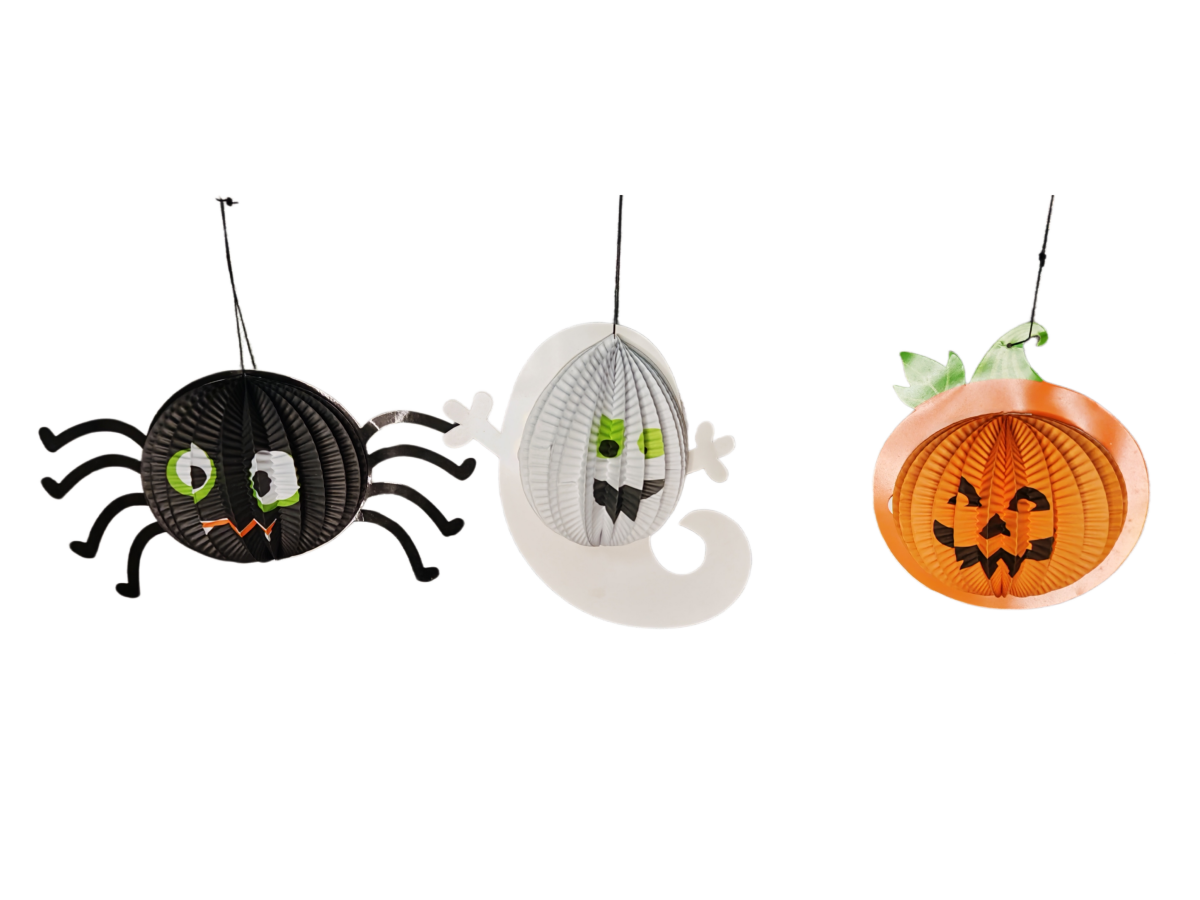
Why DIY Festival Lanterns Are the Top Choice for 2026
The shift toward handcrafted festival decor is not a fleeting trend—it’s a strategic response to rising commercial costs and a growing desire for authentic self-expression. Industry analysis shows the global decorative paper lantern market is expanding, driven by demand for customizable, eco-conscious lighting at outdoor events and cultural ceremonies. For festival-goers and event planners, DIY lanterns offer direct control over cost, aesthetics, and environmental impact. Purchasing raw materials—like tissue paper, bamboo frames, and LED modules—costs a fraction of finished retail units, delivering strong creative ROI.
Beyond budget, DIY unlocks total design autonomy. Commercial catalogs constrain color palettes and patterns; DIY removes those limits entirely. You can tailor lanterns to match an event’s exact theme, embed family insignia, or faithfully reproduce cultural motifs. This level of precision transforms functional lighting into narrative focal points—elevating guest experience at weddings, music festivals, and public art installations.
Sustainability further solidifies their 2026 leadership. Consumer data shows a 35% rise in searches for customizable lighting kits since 2024. By choosing biodegradable papers, repurposing household containers, and avoiding single-use plastics, builders actively shrink waste streams—aligning with evolving festival policies that prohibit disposable decor. The result is a solution that’s financially sound, artistically boundless, and environmentally accountable.
Essential Materials & Sustainable Sourcing for DIY Festival Lanterns
Budget-Friendly Household Staples: Bottles, Tissue Paper, and Non-Toxic Adhesives
Everyday items form a resilient, low-cost foundation: clean plastic bottles serve as translucent lantern bodies, while tissue paper diffuses light warmly when layered over openings. Secure decorations with non-toxic adhesives like white glue or homemade cornstarch paste—safe for children, low-risk for fumes, and easier to break down than synthetic alternatives. These materials are widely available, often already in your recycling bin, and reduce both cost and landfill burden. Untreated tissue paper is compostable, and repurposed bottles divert plastic waste. Paired with battery-operated LED lights, this approach delivers festive, fire-safe illumination for under a dollar—ideal for festivals, garden paths, or backyard gatherings.
Eco-Conscious Upgrades: Bamboo, Recycled Paper, and Biodegradable Components
For deeper sustainability, upgrade to renewable and certified materials. Bamboo strips—fast-growing, pesticide-free, and naturally flexible—make excellent frames in place of wire or plastic. Recycled paper (e.g., post-consumer kraft or newsprint) works beautifully as lantern shades and accepts natural dyes without virgin pulp demand. Choose plant-based, biodegradable adhesives that decompose cleanly—no microplastics left behind. Prioritize components with recognized certifications: Energy Star for LEDs, RoHS compliance for electronics, and third-party biodegradability verification for structural elements. Some suppliers now use carbon-neutral production, further lowering embodied emissions. Durable, thoughtfully sourced builds yield lanterns designed to last across multiple seasons—cutting long-term waste and expense.
Lighting Safety & Performance: Battery, Solar, and LED Options for DIY Festival Lanterns
Safety and performance begin with light-source selection. Candles and fuel lamps pose unacceptable fire risks near paper, fabric, or crowded settings. Modern DIY lanterns rely on cool-running, energy-efficient options: battery-powered LEDs, solar-rechargeable systems, and low-voltage LED strips. These deliver reliable, cordless illumination with minimal heat—but only when installed correctly. Even low-heat LEDs require thermal management in enclosed spaces. Always prioritize fire-safe methods compliant with recognized electrical safety standards.
Fire-Safe Illumination: UL-Certified LEDs and Thermal Management Tips
UL certification confirms an LED product has passed rigorous electrical and fire safety testing—never skip this mark when selecting bulbs, strips, or modules. Inside a lantern, heat buildup remains a real concern. Mount LEDs on metal heat sinks or suspend them using wire frames to create air gaps between light source and shade. Include ventilation openings at top and bottom to support natural convection cooling. Use only low-voltage (3V–12V) systems for battery setups, wrap all connections in heat-resistant tape, and secure batteries away from flammable surfaces. Verify LED strips include built-in current-limiting resistors. For added protection, integrate a thermal cutoff switch that cuts power above 70°C. With solar variants, ensure the battery compartment is sealed and vented to prevent gas accumulation—and never place batteries directly beneath the light source. Before final use, run the assembled lantern outdoors for one hour to confirm all components stay cool to the touch.
Creative Customization Techniques That Elevate DIY Festival Lanterns
Simple cutouts are just the entry point—2026’s most impactful lanterns use layered, durable, and modular techniques. These methods transform basic builds into expressive, reusable statements that evolve with each event—saving time, materials, and creative energy.
Beyond Cutting: Layered Stenciling, Heat-Set Transfers, and Interchangeable Panels
Layered stenciling creates visual depth with sequential applications: start with a broad background shape, let it dry fully, then overlay finer patterns in contrasting hues—achieving dimension without added weight or complexity. Heat-set transfers (e.g., iron-on vinyl or sublimation prints) bond artwork permanently to fabric or thick paper shades, resisting smudging, moisture, and UV fade—ideal for outdoor durability. Interchangeable panels maximize flexibility: slip transparent sleeves over the lantern core, or use lightweight magnets to attach themed panels. Swap spring florals for summer geometrics—or autumnal motifs for winter celebrations—in seconds. All three techniques preserve lightweight construction and fire safety, reinforcing the core ethos of modern DIY festival lanterns: intentional, adaptable, and deeply personal.
FAQ
Why are DIY lanterns cost-effective compared to retail lanterns?
DIY lanterns utilize raw materials like tissue paper, bamboo, and LEDs, which are far cheaper than purchasing pre-made units. This allows for savings while providing creative flexibility.
What makes DIY lanterns more sustainable?
DIY lanterns encourage the use of biodegradable and recycled components, such as bamboo and repurposed household items. This minimizes waste and aligns with eco-conscious festival policies.
Can I create safe lighting options for DIY lanterns?
Yes, by using UL-certified LEDs, proper ventilation openings, and heat-resistant materials, DIY lanterns can be designed to meet strict safety standards.
How can I customize lantern designs for unique events?
Creative techniques like layered stenciling, heat-set transfers, and interchangeable panels allow for personalization that aligns perfectly with any event theme.
Are bamboo and recycled paper effective for DIY lanterns?
Absolutely! Bamboo frames are flexible and sustainable, while recycled paper accepts natural dyes well, making these materials ideal for durable yet eco-friendly lanterns.