 EN
EN

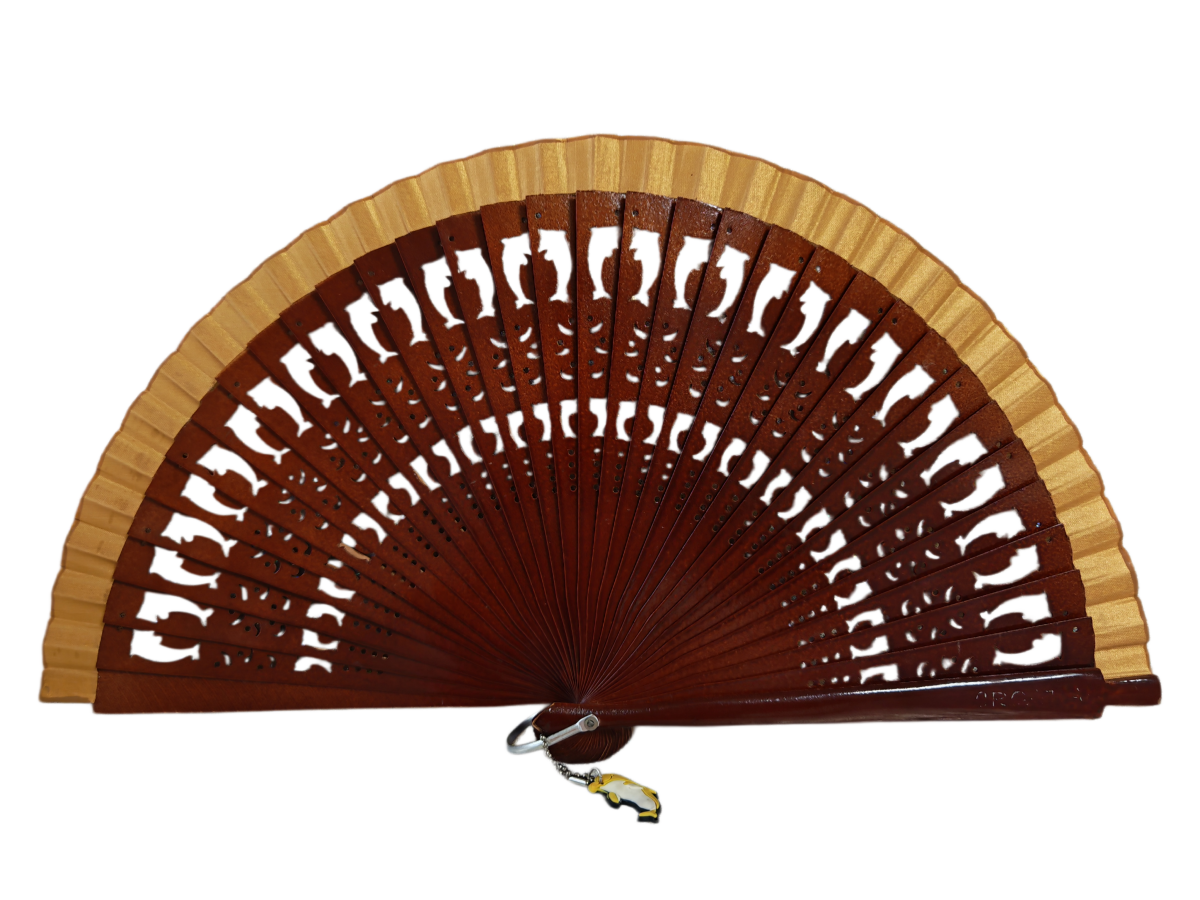
Why Eco Friendly Wooden Fans Deliver Real Climate Benefits
Eco friendly wooden fans deliver tangible climate benefits that go well beyond energy-efficient operation. The wood itself functions as a long-term carbon store, and the manufacturing process requires significantly less energy than plastic or metal alternatives.
Carbon Sequestration in Sustainably Harvested Wood
Trees absorb CO₂ as they grow—and when harvested responsibly from certified forests, that carbon remains locked in the wood for the fan’s entire lifespan. One cubic meter of typical hardwood stores approximately 0.9 tonnes of CO₂ equivalent (FAO 2020). This biological carbon storage actively offsets emissions, and when forests are regenerated, the cycle continues. In contrast, plastic and metal components generate net emissions at every stage—from extraction to processing. Choosing fans made from FSC®- or PEFC-certified timber transforms an everyday appliance into a verified, long-term carbon pool.
Lifecycle Advantage: Lower Embodied Energy vs. Plastic and Metal Fans
The climate advantage becomes even clearer when comparing embodied energy—the total energy required to produce raw materials. Wood processing demands minimal heat and pressure; plastics rely on petroleum refining, and metals require energy-intensive mining and smelting.
| Material | Embodied Energy (MJ/kg) | Typical Source |
|---|---|---|
| Wood (kiln-dried) | 2–8 | University of Bath, ICE Database |
| ABS plastic | 95–110 | PlasticsEurope Eco-profiles |
| Primary aluminum | 190–230 | International Aluminium Institute |
A wooden fan blade starts with a fraction of the cradle-to-gate carbon footprint. Even accounting for essential metal components like motors and brackets, the full assembly consumes roughly 60% less production energy than a comparable metal-and-plastic model (based on lifecycle analysis data). This lower embodied energy reduces the product’s global warming potential before it ever spins—making eco friendly wooden fans a superior choice across their full lifecycle.
Certified Sustainability: What Makes Wooden Fans Truly Eco Friendly
Truly eco friendly wooden fans are backed by rigorous third-party certifications that verify responsible sourcing and low-impact production. Two globally recognized standards stand out for ensuring wood comes from forests managed to protect ecosystems, communities, and climate resilience.
FSC® and PEFC Certification: Ensuring Ethical Forestry and Chain-of-Custody
Forest Stewardship Council (FSC®) and Programme for the Endorsement of Forest Certification (PEFC) are the leading benchmarks for ethical wood sourcing. FSC®-certified forests cover over 220 million hectares worldwide, while PEFC-certified forests span more than 330 million hectares (2024 figures). Both require strict chain-of-custody tracking—ensuring every log can be traced from responsibly managed forest through milling and manufacturing to the final product. This prevents illegal logging and safeguards biodiversity, soil health, and workers’ rights. A fan bearing either label provides verified assurance—not marketing claims—giving conscious consumers confidence in its environmental integrity.
Beyond Forestry: Low-Impact Finishes, Non-Toxic Adhesives, and Energy-Efficient Assembly
Sustainability extends far beyond the forest. Leading manufacturers use water-based finishes that emit up to 90% fewer volatile organic compounds (VOCs) than solvent-based lacquers (EPA 2023), supporting healthier indoor air. Blades are bonded with formaldehyde-free, non-toxic adhesives to eliminate off-gassing risks. Many producers now assemble fans in facilities powered entirely by renewable energy—slashing operational emissions per unit. Some also deploy closed-loop water systems and convert wood offcuts into biomass fuel. These integrated practices ensure the fan’s environmental promise holds from forest to finished product—not just at the point of harvest.
Circular Design in Action: Repairability, Longevity, and End-of-Life Responsibility
Eco friendly wooden fans are increasingly designed for circularity—where durability, repairability, and responsible end-of-life management define true sustainability. By treating the fan as a long-life asset rather than a disposable appliance, manufacturers dramatically reduce resource demand and waste.
Modular Construction and Spare-Part Availability for Decades-Long Use
Modular design enables straightforward repair. Blades, motor housings, and switches are standardized, tool-accessible components. When a part fails, users can replace it themselves—often guided by freely available repair manuals. Top manufacturers stock spare parts for 20+ years, supporting service lifespans far exceeding the 2–3-year replacement cycle common with conventional plastic fans. By avoiding glued enclosures and proprietary fasteners, these designs support full disassembly—so a single damaged blade never condemns the entire unit to landfill.
Biodegradability and Composting Pathways for End-of-Life Wooden Fans
At end-of-life, material choices determine environmental impact. Untreated, sustainably harvested wood—free of synthetic laminates and toxic adhesives—can be safely composted in industrial facilities, returning nutrients to soil. Metal components (motor coils, screws) are easily separated and recycled through standard streams. While wiring insulation may still require responsible disposal, designing for biodegradability and component separation cuts landfill burden by over 80% compared to conventional fans. This composting pathway closes the loop—turning a cooling appliance into biological feedstock.
FAQ
What is the climate benefit of wooden fans?
Wooden fans offer a long-term carbon storage solution and require less energy for manufacturing compared to plastic and metal alternatives, significantly reducing their environmental impact.
What certifications ensure the sustainability of wooden fans?
FSC® and PEFC certifications verify responsible wood sourcing and ethical forestry practices, ensuring environmental integrity.
Can wooden fans be composted at the end of their lifecycle?
Yes, untreated wooden fans free of synthetic laminates and toxic adhesives can be composted in industrial facilities, while their metal components are recyclable.
Are wooden fans repairable?
Yes, modular construction and long-term spare-part availability enable easy repair and extended service lifespans compared to conventional plastic fans.