 EN

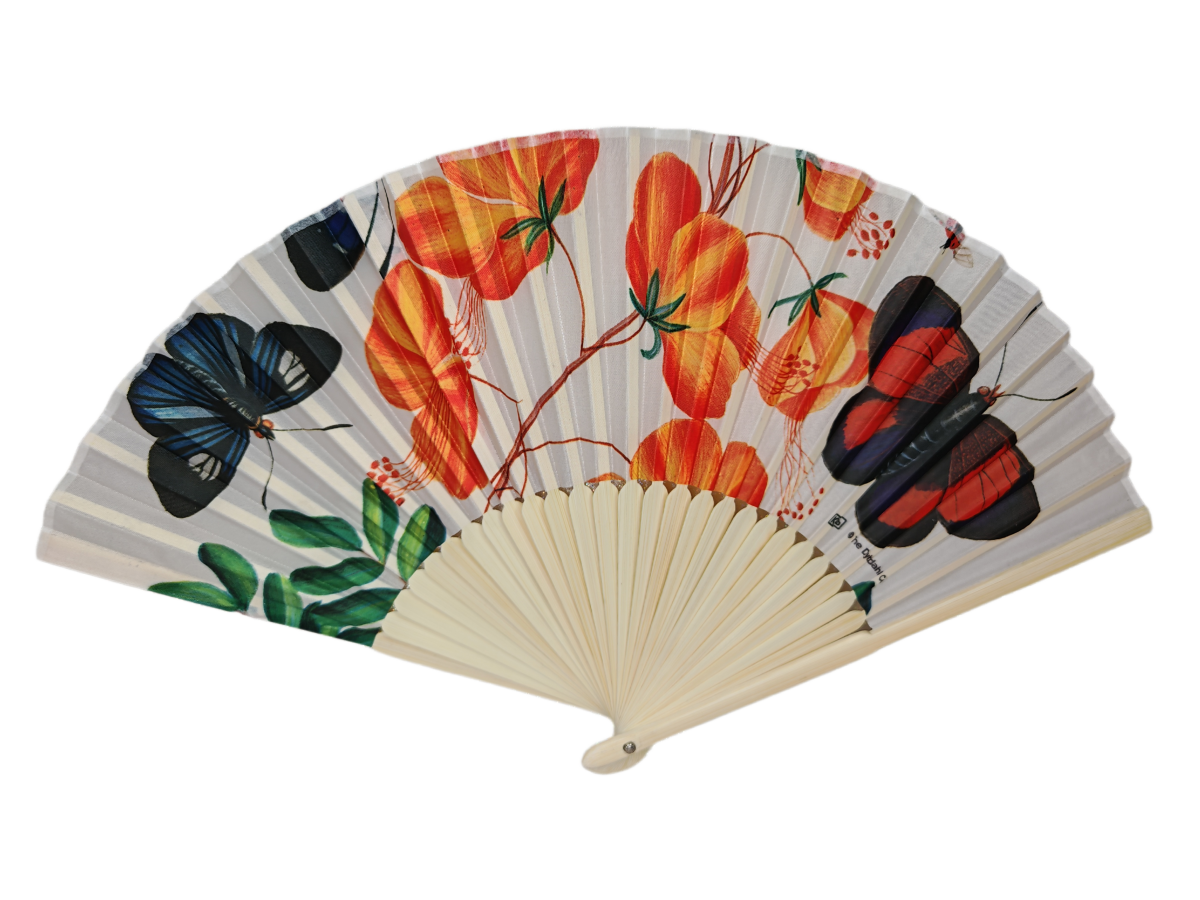
Sustainability Mandate: How Wooden Hand Fans Align with 2026 Event Industry Standards
Carbon footprint reduction vs. disposable plastic and paper fans
Plastic fans carry a heavy upstream burden: petroleum extraction, polymer processing, and molding consume energy and release emissions. Paper fans, while lighter, often become single-use waste due to heat, moisture, or minor damage. Wooden hand fans reverse this pattern. A single bamboo or reclaimed hardwood fan can replace 10–20 disposable alternatives across a season of conferences, festivals, and outdoor activations. Bamboo regenerates up to 30 times faster than hardwood—easing raw material pressure and eliminating petrochemical inputs entirely. Retention data confirms their staying power: 68% of recipients keep wooden fans beyond six months, compared with just 11% for plastic versions (Material Engagement Index 2024). When reused at least five times, a wooden fan typically outperforms disposable plastic on per-use emissions. Longer retention means fewer reorders, less shipping, and fewer units headed to landfill. Organizers amplify impact by selecting lightweight, flat-pack designs that reduce freight volume—and packaging free of plastic. For a 10,000-person event, shifting 70% of cooling giveaways to reusable wooden fans can avoid several tonnes of plastic waste in a single season.
Fulfilling net-zero commitments: FSC-certified bamboo and reclaimed hardwood lifecycle advantages
FSC (Forest Stewardship Council) certification gives event buyers verifiable proof that bamboo and hardwood sources meet responsible forest management criteria. Reclaimed hardwood adds another net-zero lever: it repurposes timber already extracted, avoiding new harvest emissions and diverting material from landfills. FSC-certified bamboo grows rapidly, sequesters carbon during cultivation, and requires fewer chemical inputs than many conventional materials. Reclaimed hardwood fans retain the durability and premium feel of solid wood while carrying lower embodied carbon than virgin plastic. At end of use, unfinished or naturally finished wooden fans can be composted, repurposed, or returned to material recovery streams more easily than mixed-material disposables. For event organizers reporting Scope 3 emissions, procuring certified and reclaimed wooden fans creates a defensible supply-chain story—aligning with 2026 net-zero pathways by reducing both production emissions and waste-related methane. Procurement teams should require supplier documentation, such as FSC chain-of-custody certificates and reclaimed material declarations, to verify claims and avoid greenwashing. This verification step turns a branded giveaway into a measurable decarbonization asset.
Brand Differentiation Through Wooden Hand Fans at Live Events
Tactile memorability: Grain texture and sensory engagement boost brand recall
Wooden hand fans convert passive event giveaways into tactile brand assets. Physical touchpoints generate 30% stronger emotional connections than digital alternatives (Material Engagement Index 2024). Grain texture invites attendees to run fingers across natural ridges—creating a sensory loop that reinforces recall. The natural weight and warmth of wood signal craftsmanship and authenticity. For 2026 live events, where disposable swag feels off-brand, these fans deliver durable, reusable touchpoints that align attendee experience with sustainability expectations. Consumers are 1.8 times more likely to remember brands that use signature materials such as bamboo or walnut. That’s why brands investing in tactile materials see stronger emotional engagement and longer retention—not just a momentary booth interaction.
Laser engraving and custom finishes as premium storytelling tools
Laser engraving and custom finishes elevate wooden hand fans into premium storytelling tools. Live personalization invites attendees to add names or short messages, transforming a giveaway into an owned object. Participatory engraving lifts engagement by 37% compared with static giveaways (Event Marketing Institute 2023). After the event, 63% of recipients report using their fan at home or in the office—extending brand presence beyond the booth. Deep-etched logos and grain-matched finishes communicate craftsmanship and intentionality. Custom wood tones, edge staining, and matte varnish create a visual hierarchy that guides attention to brand marks. These details make the fan feel collectible rather than disposable. Post-event tracking shows a 28% increase in website visits among engraved fan recipients versus standard promotional items. For 2026 event teams, laser engraving turns a practical cooling tool into a shareable, story-driven artifact that keeps brand messaging alive long after doors close.
Regulatory Compliance and Cultural Readiness for Wooden Hand Fans in 2026
EU Single-Use Plastics Directive Phase 3 (effective Jan 2026) and global ripple effects
From 1 January 2026, Phase 3 of the EU Single-Use Plastics Directive tightens restrictions on plastic items commonly used in event merchandising—including promotional giveaways and single-use cooling accessories. Event organizers shipping to EU member states must replace plastic fans, wrappers, and disposables with reusable alternatives or risk customs holds, fines, and removal from venue supply chains. Wooden hand fans made from FSC-certified bamboo or reclaimed hardwood meet the directive’s reusability and material requirements while providing a durable, low-waste cooling option. The regulatory shift is already reshaping global trade: a 2025 market analysis valued hand fans at $2.33 billion and projected growth to $3.71 billion by 2034, partly driven by compliance-driven sourcing in Asia, Europe, and North America.
Rising attendee expectations for eco-conscious, reusable event swag
Attendee expectations have moved decisively beyond single-use branded plastic. Festival, wedding, and conference audiences increasingly prefer reusable, natural-material items—and many now view plastic giveaways as misaligned with climate goals. Wooden hand fans satisfy practical cooling needs while carrying cultural associations with ceremony and craft—particularly in Japan, South Korea, and Southeast Asia, where fans remain festive staples. The post-pandemic recovery in outdoor ceremonies and heat-wave events has intensified demand; a 2025 industry projection sees the segment growing at 5.2% annually through 2034, with bamboo and reclaimed hardwood variants anchoring the premium swag tier. Event planners choosing responsibly sourced wooden hand fans align with attendee values, reduce waste complaints, and support reuse culture.
FAQ
Why are wooden hand fans considered sustainable?
Wooden hand fans are sustainable because they are made from renewable materials like bamboo, which regenerates quickly, and reclaimed hardwood, which reduces the need for new harvesting. They also have a longer lifespan, can replace single-use plastic and paper fans, and are often biodegradable or recyclable.
What are the advantages of FSC-certified wooden fans?
FSC-certified wooden fans ensure the material is sourced from responsibly managed forests. This certification helps reduce environmental impact and aligns with net-zero commitments by using renewable and low-carbon materials.
How do wooden hand fans improve brand differentiation at events?
Wooden hand fans provide tactile and sensory engagement, which enhances brand recall. Features like laser engraving and custom finishes add a premium storytelling element, turning these fans into memorable, reusable brand assets.
What are the benefits of shifting to wooden hand fans for event organizers?
Event organizers benefit from reduced plastic waste, lower freight costs due to lightweight designs, and compliance with upcoming regulations such as the EU Single-Use Plastics Directive phase 3. Wooden hand fans also align with attendee expectations for eco-friendly, reusable swag.
How are wooden hand fans compliant with global sustainability regulations?
Wooden hand fans made from FSC-certified bamboo or reclaimed hardwood meet global regulations, such as the EU Single-Use Plastics Directive, which mandate a shift away from single-use plastic items. They fulfill reusability and material requirements, making them an eco-conscious option.
Table of Contents
- Sustainability Mandate: How Wooden Hand Fans Align with 2026 Event Industry Standards
- Brand Differentiation Through Wooden Hand Fans at Live Events
- Regulatory Compliance and Cultural Readiness for Wooden Hand Fans in 2026
-
FAQ
- Why are wooden hand fans considered sustainable?
- What are the advantages of FSC-certified wooden fans?
- How do wooden hand fans improve brand differentiation at events?
- What are the benefits of shifting to wooden hand fans for event organizers?
- How are wooden hand fans compliant with global sustainability regulations?